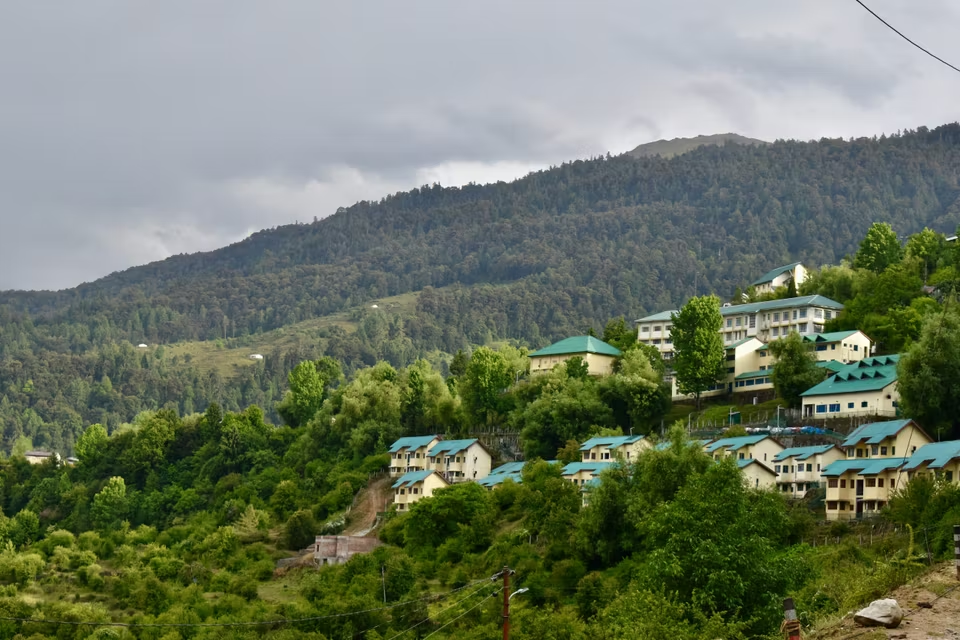
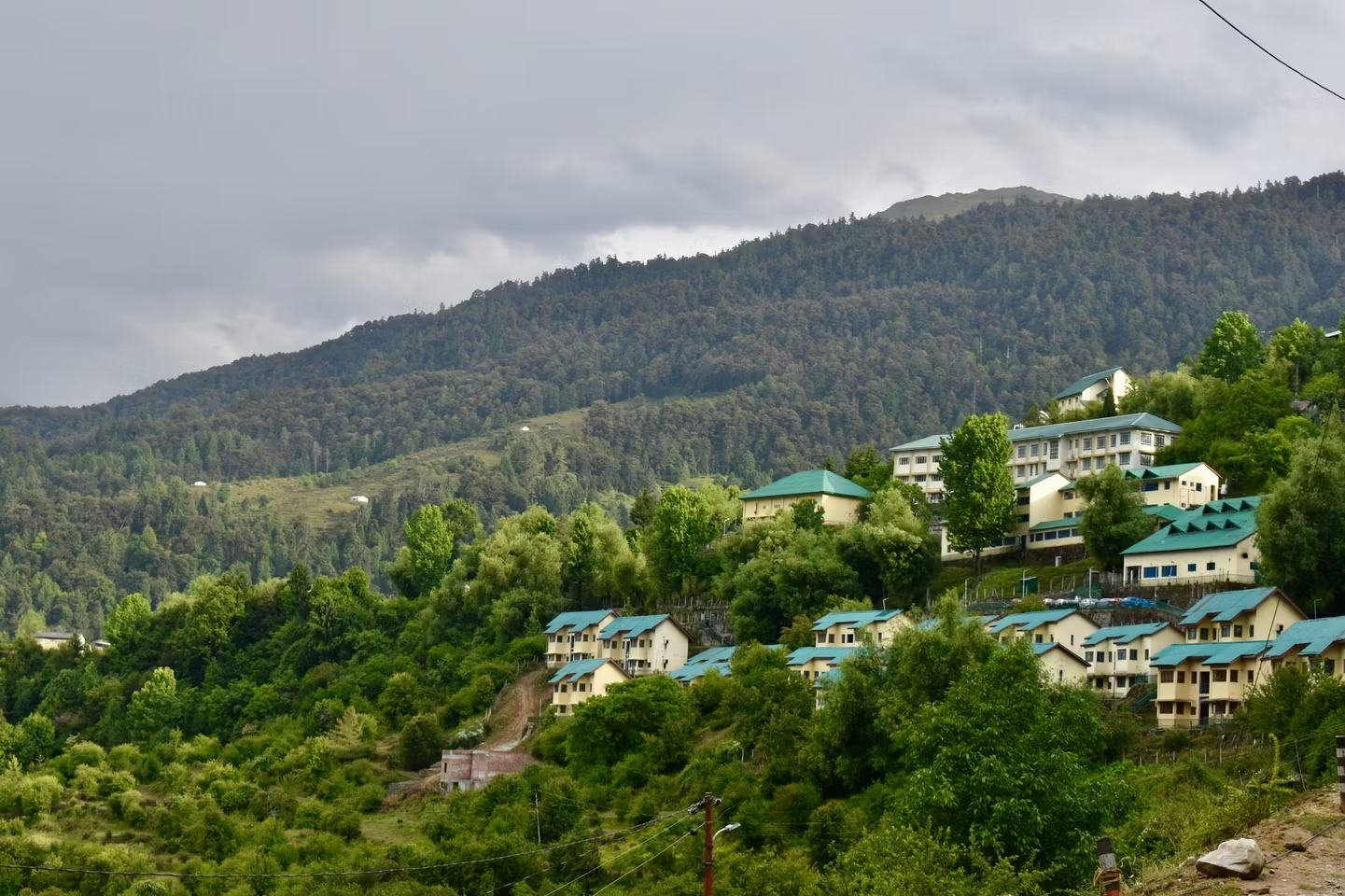
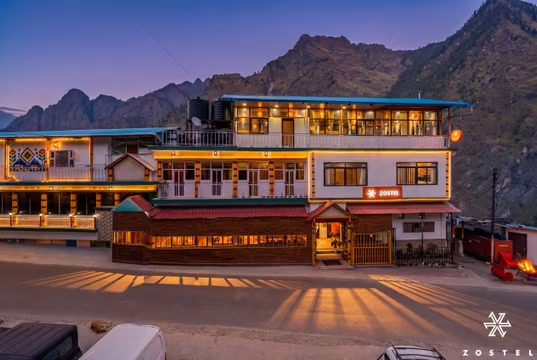
Joshimath is known for being the base town of upper Garhwal: the gateway to Badrinath, the ropeway station for Auli and the winter seat of the Badrinath deity. Perched at 1,875 m on the Rishikesh-Badrinath highway in Uttarakhand's Chamoli district, it is a working bazaar town rather than a resort, which is its charm. Narrow lanes smell of woodsmoke and Garhwali thali, the Narsingh Temple and Adi Shankaracharya's math sit in the lower bazaar, the cable car to Auli hums overhead, and Nanda Devi fills the gap between ridges on a clear morning. Things to do in Joshimath start before dawn and end with a plate of aloo ke gutke. Picture a 4-km ropeway ride over deodar forest, a temple older than the town and snow on the peaks all year.
Places to Visit in Joshimath
- Narsingh Temple: In Joshimath's lower bazaar, the temple where Badrinath's deity is worshipped from November to April when the high temple closes. The idol's thinning left arm is the subject of a well-known local prophecy. Timings: 5 am to 9 pm.
- Adi Shankaracharya Math and Kalpavriksha: A short walk from Narsingh Temple, the math where Shankaracharya is said to have meditated in the 8th century, beside a mulberry tree claimed to be 1,200 years old and the Jyotirmath cave. Free entry.
- Joshimath-Auli Ropeway: The 4-km cable car from the town's upper edge to Auli, Asia's longest, crosses ten towers over oak and deodar forest in 20 minutes with the Nanda Devi range widening at every tower. Timings: 9 am to 5 pm, weather permitting.
- Tapovan Hot Springs: 15 km up the Dhauliganga valley, a village with sulphur hot springs bubbling out of the rock beside the road and a path onward to the Bhavishya Badri temple, one of the Panch Badri.
- Vishnuprayag: 12 km towards Badrinath, the first of the Panch Prayag where the Alaknanda meets the Dhauliganga below a small Vishnu temple; the confluence is a photo stop on every yatra bus route.
- Auli: 16 km above Joshimath by road or 20 minutes by ropeway, the ski meadows and Nanda Devi viewpoints that most visitors use Joshimath as a base for. Best January to March for snow and May to June for meadow walks.
Top Experiences
- Ride the Ropeway at Opening Time: The first cars up to Auli at 9 am get the clearest views before cloud builds over Nanda Devi; carry a jacket, the top station is 1,000 m higher and often below freezing until March.
- Walk the Lower Bazaar Temple Circuit: Narsingh Temple, the Shankaracharya math, the Kalpavriksha and the Vasudev Temple sit within a kilometre of each other; a local priest or guide will fill in the Panch Badri story in an hour.
- Use It as a Badrinath Base: Joshimath is where the Badrinath gate system holds vehicles overnight; leave at the first gate opening (around 4:30 am in season) for the 45-km drive and morning darshan, back by lunch.
- Start the Valley of Flowers Trek: Govindghat is 22 km on; most trekkers overnight in Joshimath, drive to Govindghat at dawn and walk the 13 km to Ghangaria the same day. July and August are peak bloom.
- Drive to Tapovan and Bhavishya Badri: A half-day up the Dhauliganga valley to the hot springs at Tapovan and the 6-km trail to Bhavishya Badri at Subhain, through village terraces that see few visitors.
Where to Eat
- Shanker Shri Restaurant: A long-standing Joshimath eatery on the main Badrinath road known for North Indian dishes and a proper Garhwali thali with aloo ke gutke and mandua roti. Cost for two: ~450 INR
- Zim Zim Restaurant: Near Narsingh Mandir, the local pick for Indo-Chinese comfort food: noodles, Manchurian and momos after a cold day at Auli. Cost for two: ~400 INR
- Mohit Restaurant: In the Upper Bazaar, popular with trekkers for stuffed parathas, chilli potatoes and an early breakfast before the ropeway opens. Cost for two: ~350 INR
- Auli D Food Plaza: A sit-down restaurant on the Auli road above town serving Garhwali thali, parathas and hot chai with a view across the valley; a reliable stop before or after the ropeway. Cost for two: ~500 INR