

Skip Kaza: Offbeat Spiti is Where the Real Magic Lives
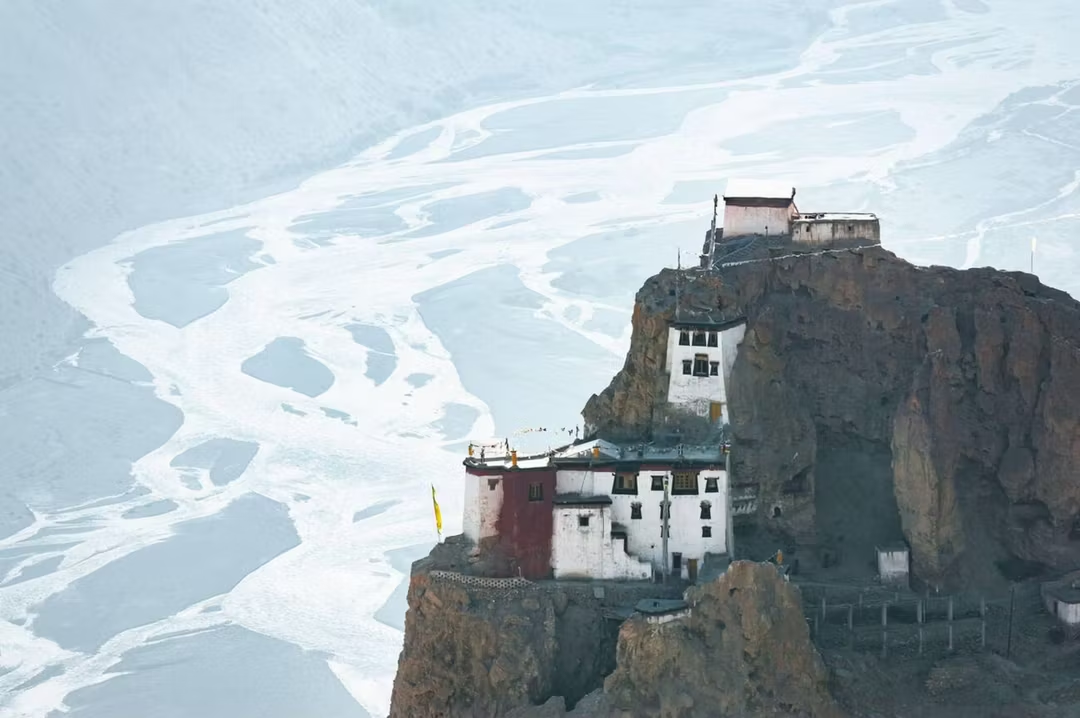
Most travellers visiting the Spiti Valley make a beeline for the popular stops, such as Kaza, Key Monastery, and Chandratal. But hidden beyond the postcard spots lie quiet villages, forgotten monasteries, fossil-strewn meadows, and high-altitude lakes that whisper stories of solitude and timelessness.
This isn’t just about escaping the crowds; it’s about experiencing the real Spiti, the one where homestays run on trust, mountains hum with silence, and wildlife roams free. From fossil hunting in Langza to crossing Asia’s highest suspension bridge in Chicham, these lesser-known gems offer raw, unfiltered beauty and authentic Himalayan warmth.
So, if you're the kind of traveller who prefers unknown paths to tourist trails, this guide to offbeat places in Spiti Valley is your invitation to explore more deeply.
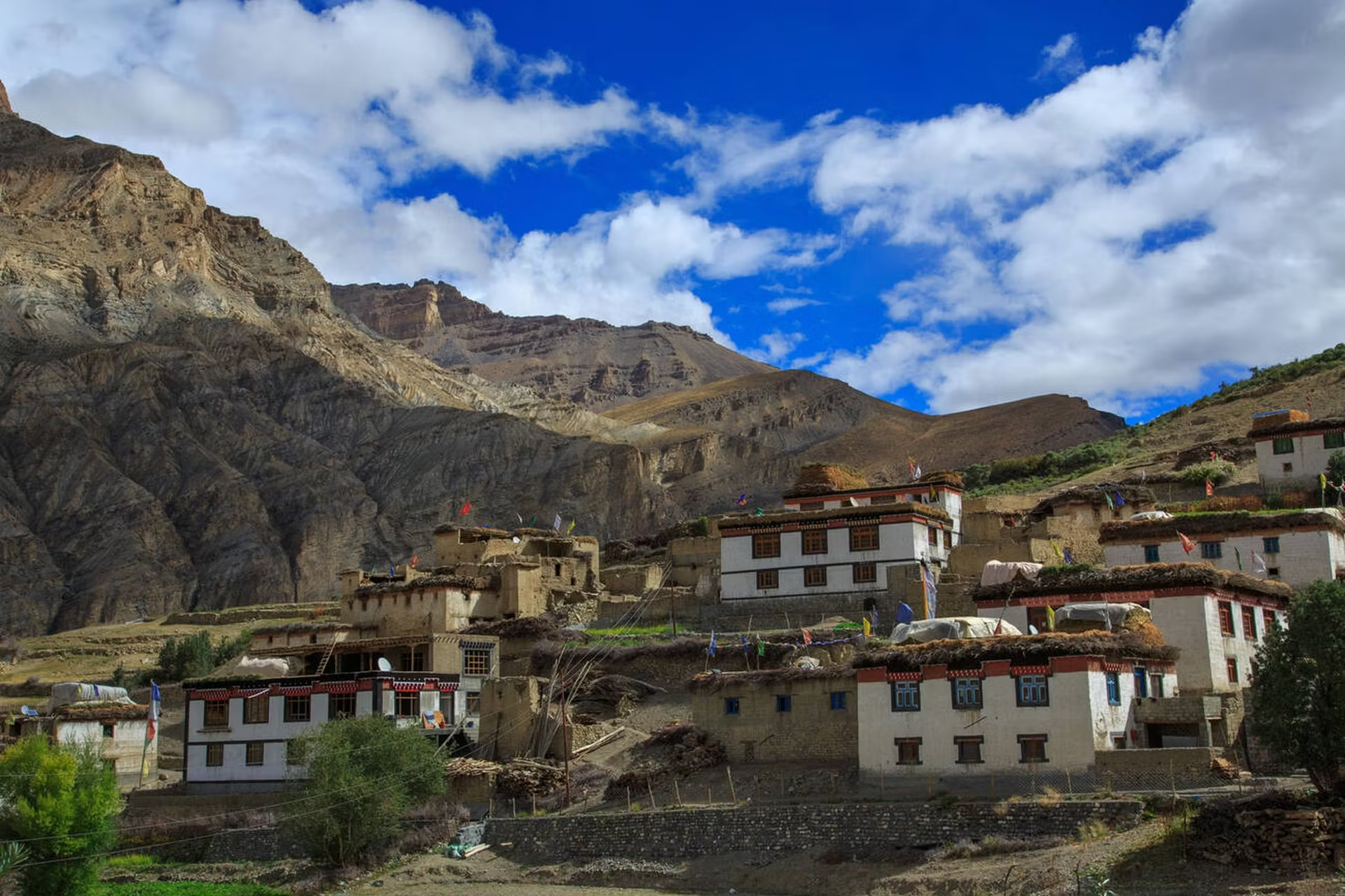
A hidden village in Spiti Valley.
Hidden Villages of Spiti
If you think Kaza is the heart of Spiti, these villages are its soul. Scattered across the valley’s rugged terrain and often accessible only by dirt tracks or narrow bridges, these settlements hold onto centuries-old traditions, surreal landscapes, and stories that few tourists hear.
Mane (Kogma & Yogma)
Nestled on the quieter side of the Spiti River, the twin villages of Mane Kogma and Mane Yogma are surprisingly green pockets in this otherwise stark region. Life here moves slowly, with barley fields, gompas tucked into hillsides, and star-filled skies that feel closer than ever. Mane also serves as a base for the offbeat trek to Sopona Lake, a glacial lake fed by melting snow and guarded by the mighty Manirang Peak. Stay with local families, eat home-cooked thukpa, and listen to tales passed down through generations.
Kakti
Kakti is the tiniest inhabited village in Spiti, home to a single family. With no road signs, shops, or distractions, it’s as off-grid as one can get. Despite its remoteness, this household has electricity and even a television. It’s not a place with activities; it’s a place just to be. Pack your essentials, bring your curiosity, and leave your itineraries behind.
Tashigang
At nearly 4,650 metres, Tashigang is one of the highest villages in Asia, yet it rarely makes it to travel itineraries. Surrounded by golden fields and fluttering prayer flags, this remote outpost is home to only a handful of families and a modest monastery. The views stretch endlessly, and the silence is broken only by the wind or the occasional prayer chant.
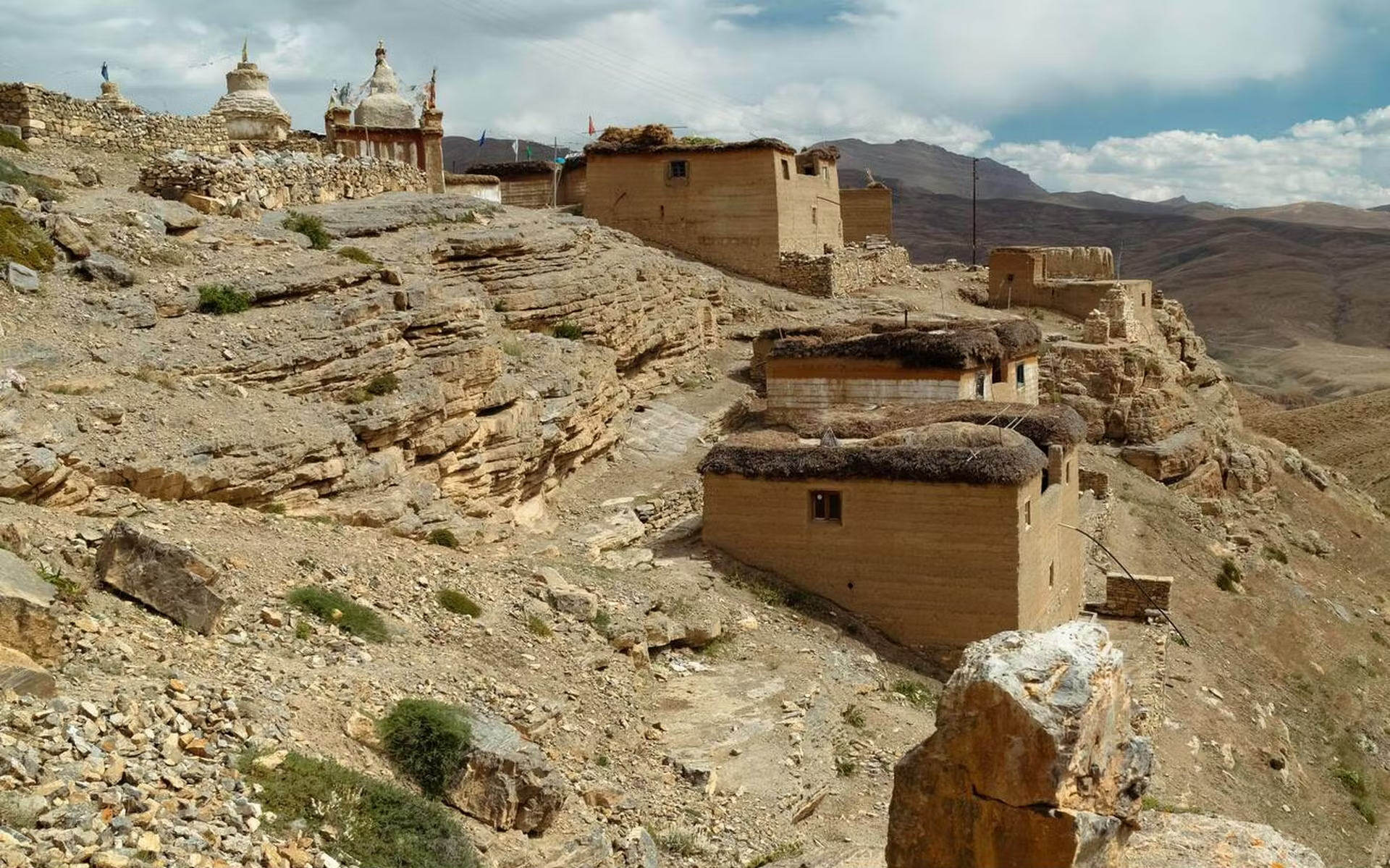
Isolated village of Tashigang with brick houses and Buddhist Stupas on horizon.
Chicham
Once completely cut off from the world, Chicham is now connected to Kibber by Asia’s highest suspension bridge, built over a dramatic gorge. Life in Chicham is quiet and harsh, but it offers unmatched views and access to nearby wildlife trails, especially snow leopard spotting zones. A basic homestay here makes for an unforgettable detour.
Spiritual Gems & Forgotten Monasteries
Spiti Valley is often called the "Land of Lamas", and while the grandeur of Key Monastery attracts the spotlight, the valley’s spiritual essence is best felt in its forgotten monasteries, places where silence speaks louder than sermons, and walls still hold the warmth of ancient chants.
Lhalung Monastery
Tucked away in the village of Lhalung, this 10th-century gompa is believed to be one of the earliest monasteries built by Rinchen Zangpo, the Great Translator. The name Lhalung means "Land of the Gods", and it’s easy to see why. Surrounded by poplar trees and golden fields, the monastery’s mud-walled prayer halls house faded murals, timeworn statues, and a quiet sense of sacredness. An ancient tree in the courtyard is said to have grown from Zangpo’s walking stick, a living relic of faith.
Gemur Monastery
Hidden in a lesser-travelled part of Lahaul-Spiti, Gemur Monastery is a 17th-century Drukpa Kagyu gompa surrounded by apple orchards and fields. Its highlight is the annual Tshechu Festival, a riot of colour, rhythm, and spiritual theatre where monks perform masked dances to enact tales of good over evil. It’s intimate, immersive, and untouched by mass tourism.
Gue Monastery & The Mummy
Just 40 km from Tabo and near the Indo-Tibetan border, Gue Monastery holds one of the most intriguing secrets of the Himalayas, a naturally preserved 500-year-old mummy of a Buddhist monk, Sangha Tenzin. Encased in a glass shrine, the mummy is believed to have self-mummified while meditating. Visiting Gue feels less like a tourist experience and more like a passage into folklore and mystery.
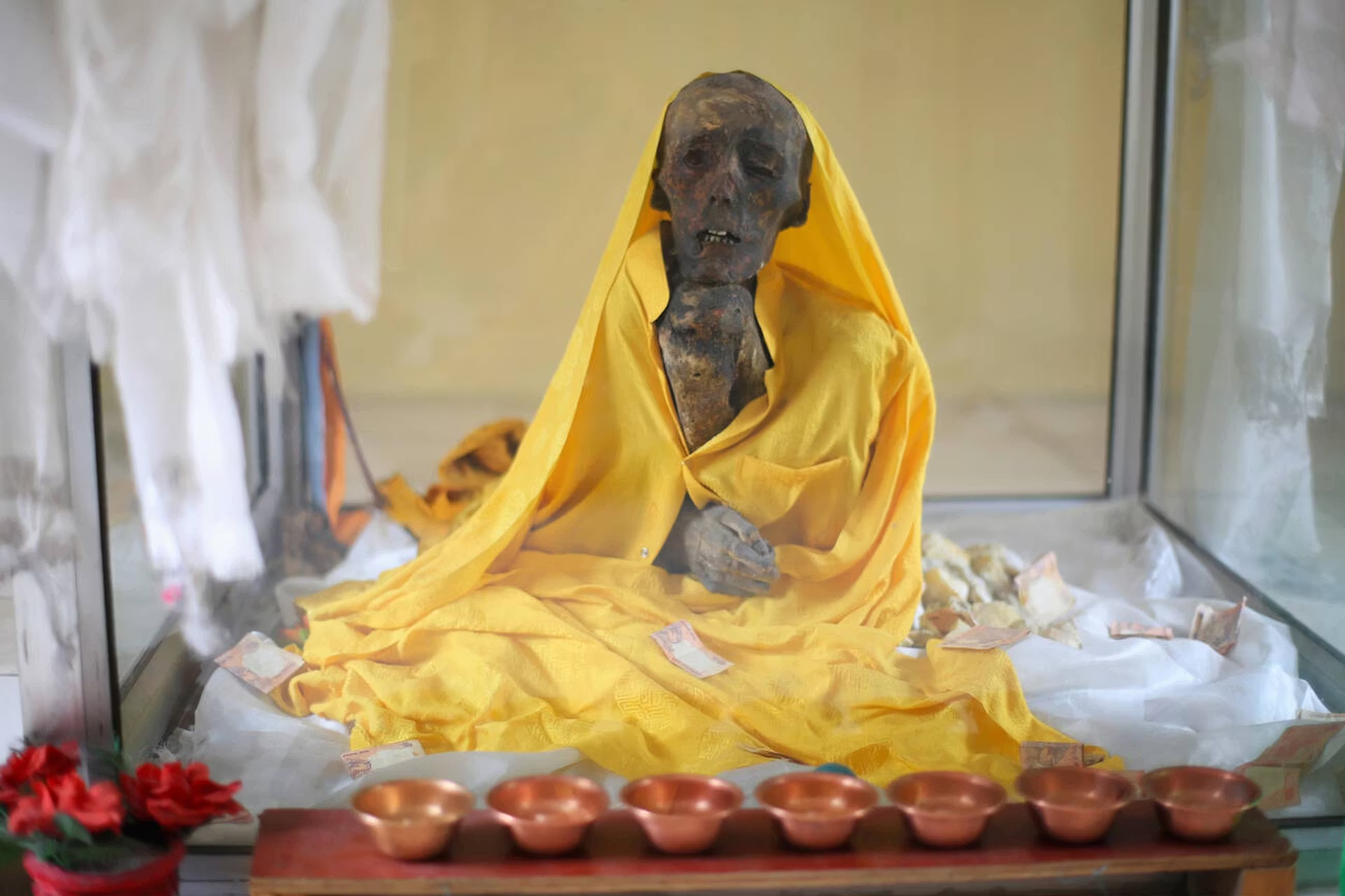
585 years old mummy in Tabo Village Gue, Spiti Valley
Lakes, Peaks, & Natural Trails
Beyond its villages and monasteries, Spiti Valley opens up into a world of silent lakes, unmarked trails, and towering peaks. These natural wonders lie far from the beaten path, often accessible only through treks or local guidance, but every step rewards you with raw Himalayan beauty and absolute solitude.
Sopona Lake
One of Spiti’s best-kept secrets, Sopona is a seasonal glacial lake fed by the snowfields of the Manirang range. The 4–5 hour trek from Mane village takes you through rocky ridges, streams, and pastures often grazed by wild blue sheep. If you’re lucky, you might even spot a snow leopard’s pawprints along the trail. The lake itself is shallow, mirror-like, and surrounded by fluttering prayer flags, a perfect spot to catch your breath and feel the silence.
Dhankar Lake
Hidden above the famed Dhankar Monastery, this emerald lake sits in a depression surrounded by barren hills. The uphill trek takes about an hour, but it’s steep and slippery in places. Once you reach, the view is surreal: a still water body reflecting the changing skies, with colourful stones, meditation altars, and a few lonely prayer flags fluttering in the wind. Go early for sunrise, it’s a sight to remember.
Pin Valley National Park
A paradise for wildlife enthusiasts and peace-seekers alike, Pin Valley is a cold desert sanctuary with dramatic landscapes, rare medicinal herbs, and some of the world’s most elusive creatures. Snow leopards, Himalayan ibex, red foxes, and golden eagles have all been spotted here. Base yourself in Mudh village, and explore the region through hikes, monastery visits, or guided wildlife spotting.
Kanamo Peak
At nearly 6,000 metres, Kanamo is one of Spiti’s tallest non-technical trekking peaks. The climb from Kibber or Tashigang is physically demanding but doesn’t require mountaineering experience. Expect scree slopes, frozen streams, and altitude challenges, but also sweeping views of Ladakh, Kinnaur, and beyond from the summit.
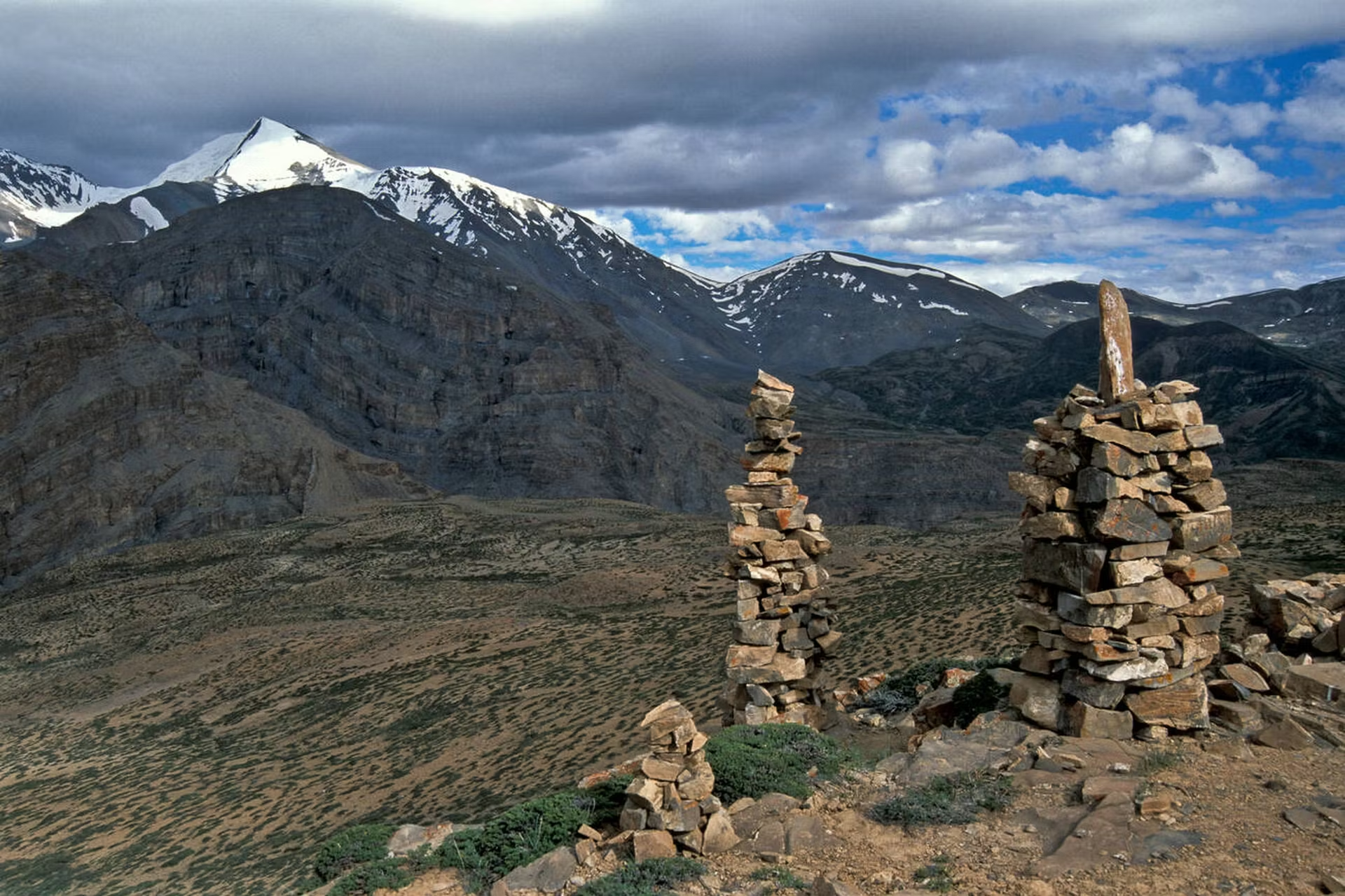
Cairn, west face of the holy peak of Mt Kanamo, 5974m, Thaltak, Kibber-Karzok-Trail
Samudri Tapu
Far from any road, this remote glacial lake near the source of the Chandra River offers one of the most thrilling treks in the valley. Reaching it requires river crossings, rappelling, and solid navigation skills, skills best accomplished with experienced local guides. The isolation is total, the landscape lunar, and the silence overwhelming.
Fossil Villages & Geological Wonders
Millions of years ago, Spiti Valley lay beneath the Tethys Sea, and even today, it carries the memory of its oceanic past in the form of marine fossils scattered across its high-altitude terrain.
Langza: The Fossil Village
Perched at around 4,400 metres, Langza is one of the most iconic fossil-hunting destinations in India. Walk through its rocky slopes, and you’ll find ancient ammonites and spiral-shelled creatures embedded in stone, frozen remnants of marine life from 200 million years ago. The village itself is guarded by a giant Buddha statue overlooking snow-clad peaks, giving Langza a surreal, sacred feel. Locals often keep fossil samples in their homes and may guide you to the best spots, though collecting fossils to take home is discouraged.
Hikkim & Komic Plateau
The plateau surrounding Hikkim and Komic is also rich in fossils, especially in the more eroded regions. The ground here is a storyteller, revealing layers of time, sea sediment, and tectonic upheaval. Fossil walks, guided by locals, add a scientific thrill to your Himalayan journey.
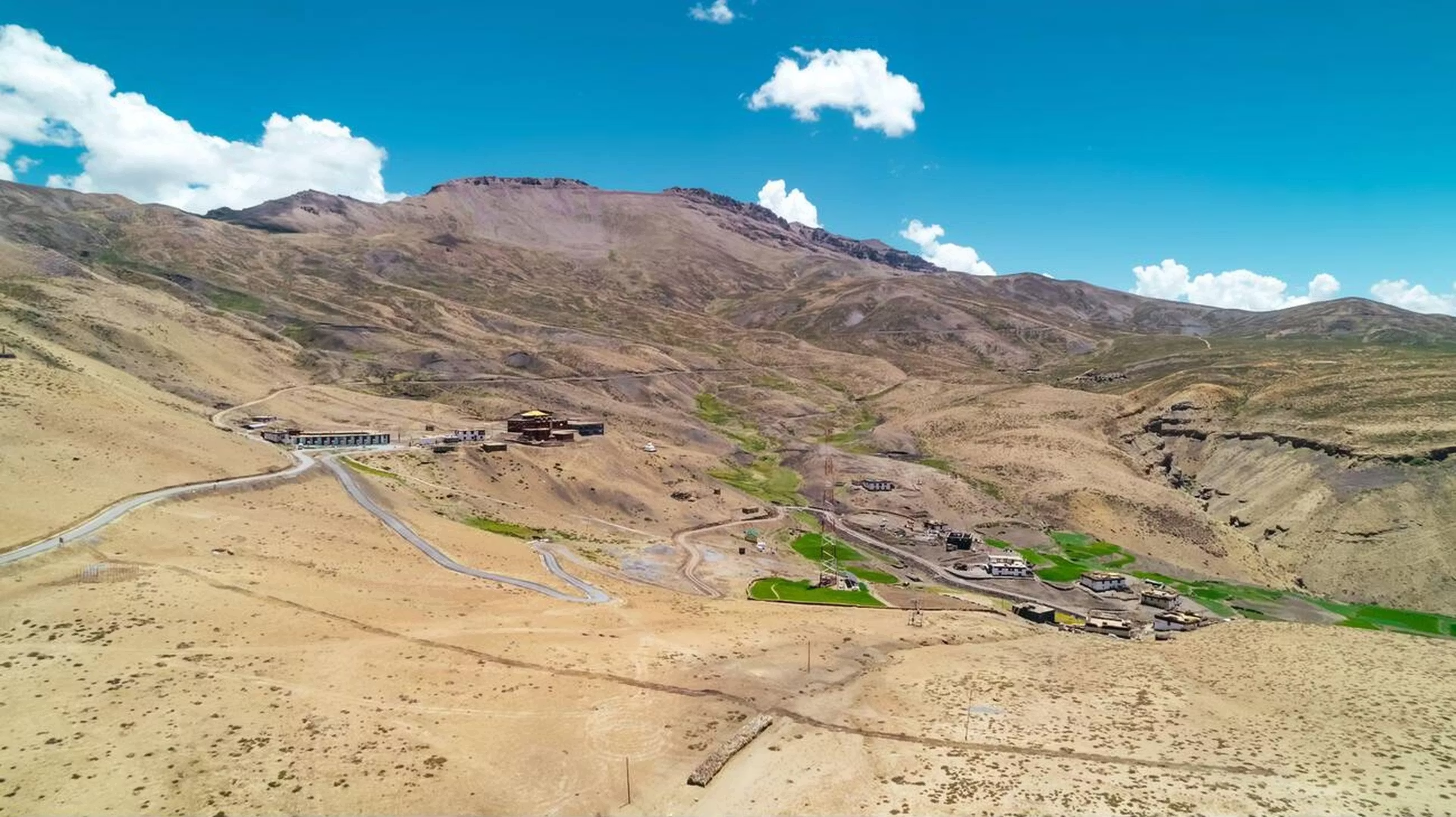
A panoramic view of Komic plateau in Spiti.
8-Day Offbeat Spiti Valley Itinerary
This itinerary is designed for travellers who want to explore Spiti beyond Kaza and Chandratal, one fossil, monastery, and silent valley at a time.
Day 1: Reach Tabo via Nako
- Route: Shimla/Kinnaur → Nako → Tabo
- Stop at Nako Lake for lunch
- Visit Tabo Monastery in the evening
- Overnight stay in Tabo
Tip: Acclimatise slowly. Tabo’s lower altitude makes it the ideal starting point.
Day 2: Tabo to Gue to Dhankar
- Detour to Gue to see the 500-year-old mummy
- Drive to Dhankar Village
- Hike to Dhankar Lake (~1 hour)
- Overnight in a family-run homestay
Day 3: Dhankar to Mane Village
- Scenic drive to Mane Yogma
- Explore the twin villages
- Optional evening walk to the riverbed
- Stargazing at night
Day 4: Trek to Sopona Lake
- 4–5 hour guided trek from Mane
- Picnic by the lake
- Return to Mane by sunset
- Overnight stay
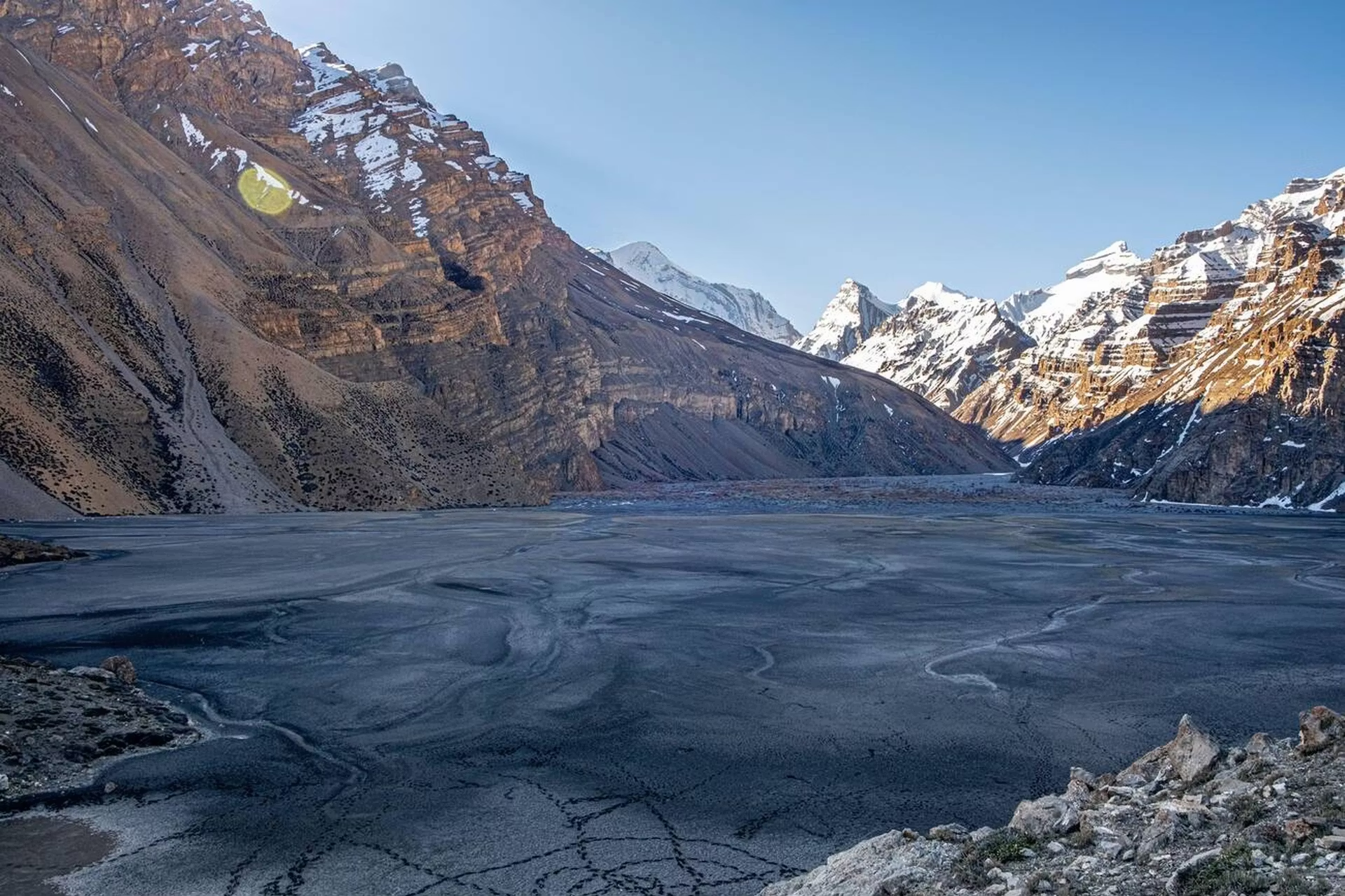
Sopona Lake, near Mane Village, during dry season.
Day 5: Mane to Demul via Lhalung
- En route, stop at Lhalung Monastery
- Continue to Demul, check into a rotating homestay
- Slow evening with locals and mountain views
Day 6: Demul to Komic to Langza
- Short trek or drive to Komic (world’s highest monastery)
- Visit Hikkim (send a postcard!)
- Settle in Langza, explore fossil trails
- Overnight with a local family
Day 7: Langza to Tashigang to Chicham
- Drive to Tashigang for high-altitude silence
- Cross Chicham Bridge, Asia’s highest suspension bridge
- Wildlife spotting along the way
- Overnight in Chicham or nearby Kibber
Day 8: Exit via Kaza to Kunzum La/Manali
- Morning tea at Kaza market
- Head towards Kunzum Pass, stop at Losar
- End the trip at Manali or continue towards Lahaul
Quick Tips for Offbeat Spiti Travel
Acclimatise Gradually
Begin your journey from the Kinnaur side (via Shimla) to avoid altitude sickness. Spend a night or two in Tabo or Nako before heading higher.
Stay Hydrated & Well-Fed
High altitudes can suppress appetite, so eat small, frequent meals and sip water regularly.
Choose Homestays over Hotels
Local homestays not only support the community but also offer more profound cultural experiences and authentic meals.
Expect Minimal Mobile Network
Jio and BSNL work in most villages, but connectivity is weak or non-existent in places like Mane, Demul, and Tashigang.
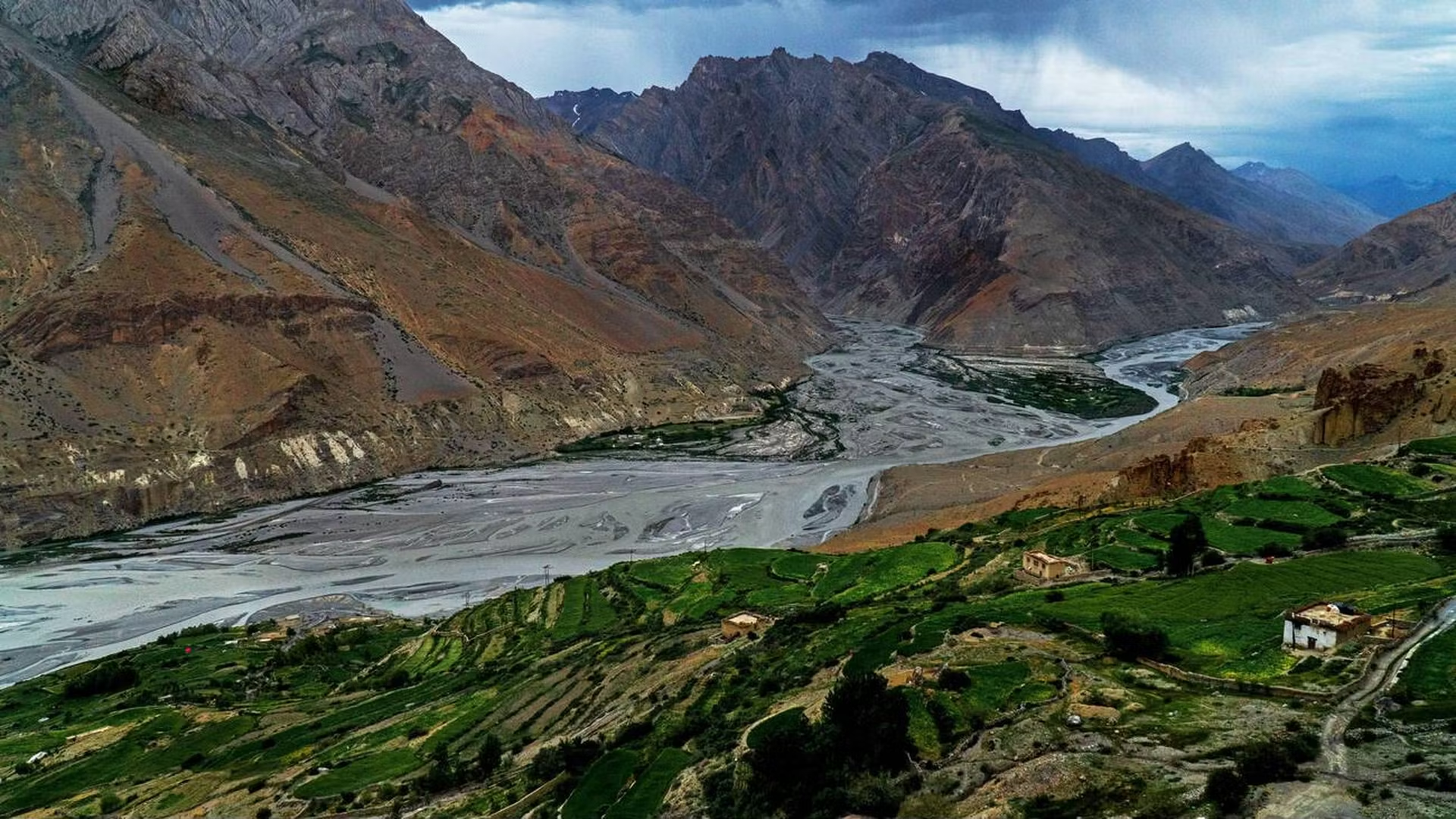
Braided River and Green Terraces Amid Rugged Himalayas in Spiti Valley.
Carry Enough Cash
ATMs are only available in Kaza and Tabo, and may not always be functional. Most remote villages don’t accept digital payments.
Charge Smart
Power cuts are common. Carry a power bank, solar charger, or extra camera batteries if you’re into photography.
Leave No Trace
Spiti is ecologically sensitive, carry reusable water bottles, avoid plastic, and take your waste back.
Drive Cautiously
Roads can be narrow, unpaved, and prone to landslides. If self-driving, be comfortable with mountain terrain. A 4x4 is helpful in some stretches.
Pack for All Weather
Even in summer, nights are freezing. Pack thermal wear, gloves, sunscreen, a windproof jacket, and good trekking shoes.
Closed Access in Winters
Villages like Mane, Demul, and Chicham may be cut off in peak winter. Always check road conditions before your trip.
Best Time to Visit Offbeat Spiti
Late May to early October offers the best window, with open roads, clearer skies, and access to hidden trails.
FAQs on Offbeat Travel in Spiti Valley
Q1. What are some lesser-known villages to visit in the Spiti Valley?
A1. Villages like Demul, Lhalung, Mane, Komic, Tashigang, and Gette offer an offbeat experience away from tourist crowds. These places let you connect with Spitian culture in its raw form.
Q2. How do I reach these offbeat places in Spiti?
A2. Most offbeat villages are accessible by shared jeeps or private cabs from Kaza. Some, like Demul and Lhalung, require short hikes or rough road drives.
Q3. What kind of accommodation can I expect in remote villages?
A3. Expect basic but cosy homestays run by locals. Facilities are minimal; hot water is provided in buckets, toilets are often dry composting, and electricity may be limited.
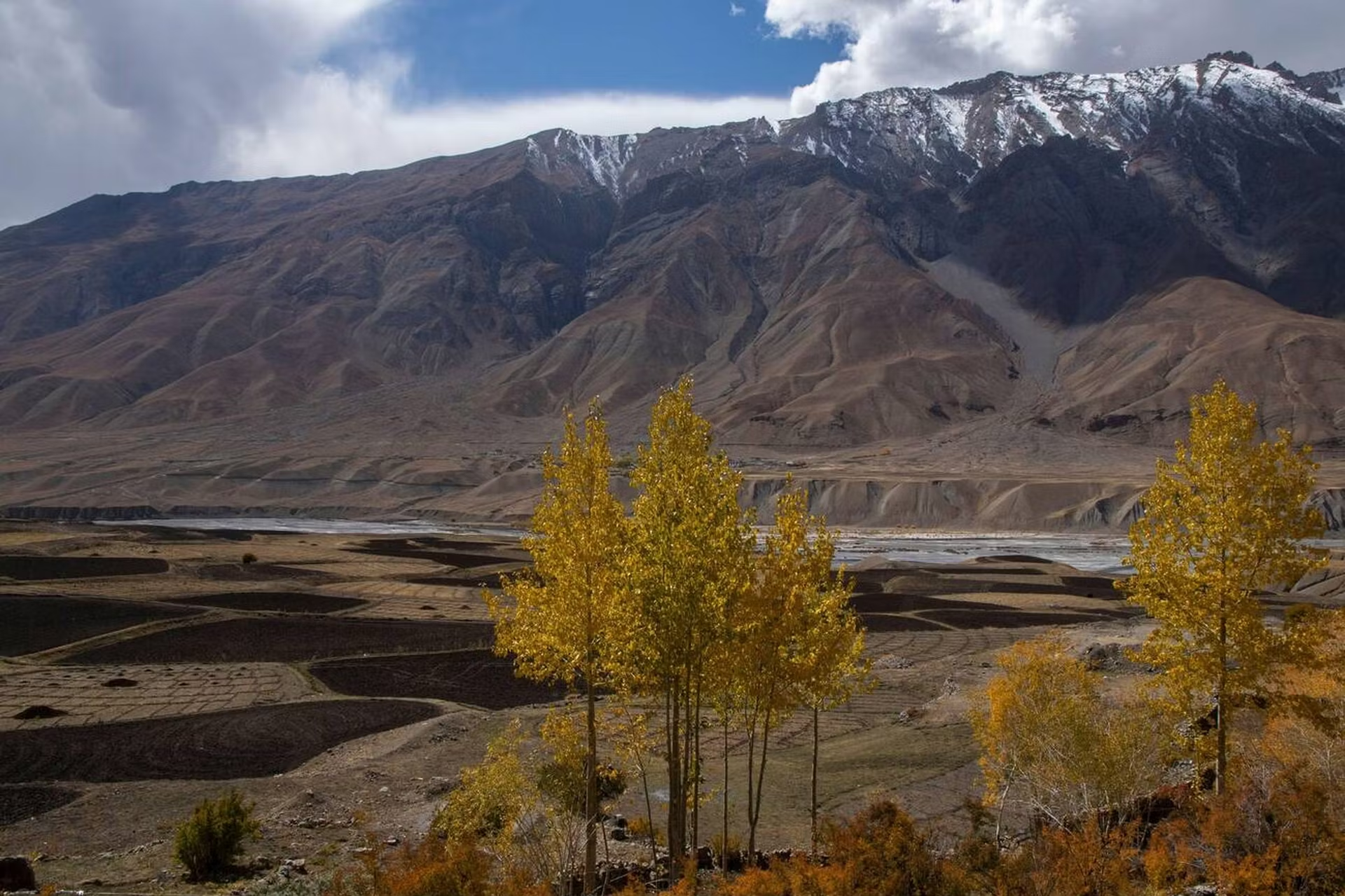
Fauna of Spiti Valley where the land is dry and weather is cold.
Q4. Are there any spiritual or hidden monasteries in Spiti?
A4. Yes! Visit Dhankar Gompa, Tabo’s meditation caves, and the ancient Lhalung Monastery for spiritual solitude without tourist interference.
Q5. Is it safe to travel solo or as a female traveller in offbeat Spiti?
A5. Absolutely. Spiti is known for its safety, hospitality, and respect for travellers. Local families and hosts are extremely welcoming.
Q6. What should I pack for an offbeat trip to Spiti?
A6. Pack warm clothes, sunscreen, trekking shoes, basic medicines, power banks, reusable bottles, and extra cash. Don’t forget altitude sickness remedies.
Q7. Can I visit these places during winter?
A7. Most offbeat villages are cut off from late November to early March due to snow. If you’re planning a winter trip, confirm accessibility and carry extreme cold gear.
While Spiti’s mainstream circuit offers postcard views and Instagrammable stops, the true soul of the valley lies in its hidden corners. The fossil-rich villages, untouched trails, ancient monasteries, and the warm hearts of Spitian locals will stay with you long after the trip ends.
Whether you're seeking quiet, culture, or a sense of timelessness, the offbeat route in Spiti doesn't just take you farther, it takes you deeper.