

Fantastic Natural Phenomena In India And Where To Find Them
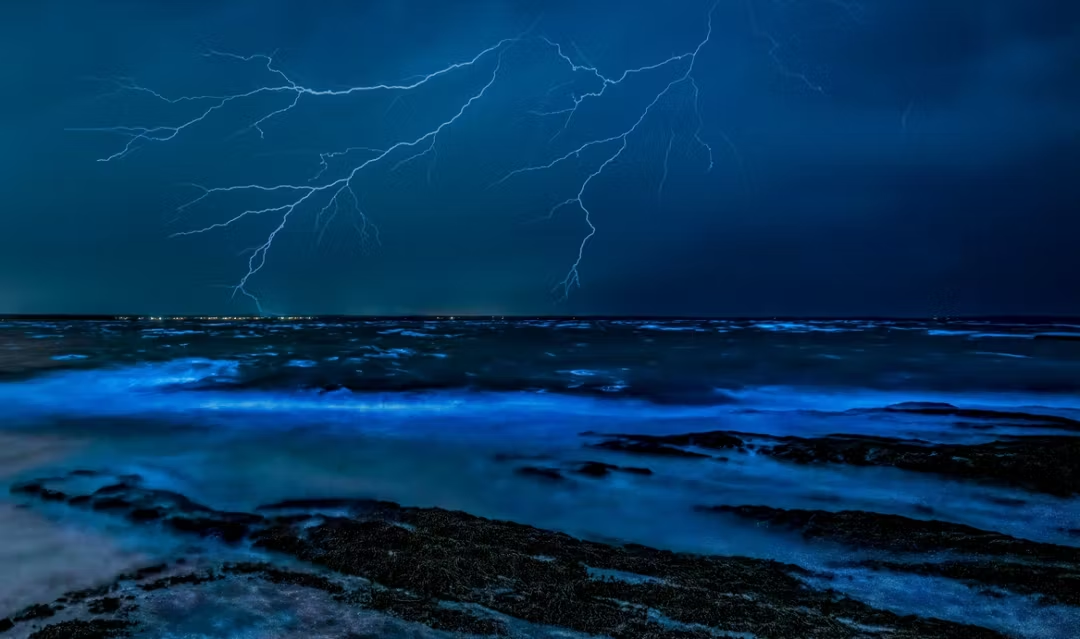
A hill that drags your vehicle uphill, spooky rain that looks like blood, and water that glows in the dark. India is full of natural phenomena that defy all laws of nature. It's a land where Mother Nature throws some serious curveballs. From beaches that vanish like smoke and mountains that glow at night to creepy ghost lights, get ready to explore the quirky side of Indian landscapes. Buckle up, adventurers, because we're diving into India's most bizarre natural phenomena.
Here’s the list of the spookiest natural wonders of India:
1. The Disappearing Chandipur Beach, Odisha
2. The "Magnetic" Hill Illusion, Ladakh
3. Kerala's Red Rain Phenomenon
4. Bioluminescent Beaches, Kochi
5. The Mysterious "Chir Batti" Lights, Gujarat
6. The Balancing Rock of Mahabalipuram
7. The Lonar Crater Lake, Maharashtra
8. The Enchanting Valley of Flowers, Uttarakhand
9. Aleya Ghost Lights, West Bengal
10. The Living Root Bridges, Meghalaya
The Disappearing Chandipur Beach, Odisha
Witness a magic act twice a day at Odisha's Chandipur Beach. It vanishes with the receding tide, revealing the vast seabed for a few hours. Don't worry; the beach always returns with the incoming tide, making it perfect for a scenic walk on the "disappeared" floor.
Best time to visit: October-February for pleasant weather

A surreal sunset at the disappearing beach of Chandipur, Odisha
The "Magnetic" Hill Illusion, Ladakh
Are fuel prices burning a hole in your pockets? Ladakh's Magnetic Hill will save you some money! This clever optical illusion, caused by the surrounding slopes, makes parked cars appear to roll uphill. It might not be actual magnetism, but that perfect trick photo is priceless.
Best time to visit: Summer months, May-July
Kerala's Red Rain Phenomenon
Remember that unsettling scene from The Birds? Kerala's red rain might seem like a horror movie come true, but it's harmless! Strong winds pick up red algae spores, causing a crimson downpour that can stain clothes and cars.
Best time to visit: Monsoon season, June-August
Bioluminescent Beaches, Kochi
Imagine a beach that lights up at night. Kumbalangi’s shores in Kochi showcase a spectacular show of bioluminescence. Microscopic organisms called plankton illuminate the water, creating an ethereal glow that makes you feel like you've stepped into Avatar. Apart from Kochi, you can experience this in Lakshadweep, Gokarna, and Andaman Islands too.
Best time to visit: February-April for calm seas

Glowing shores of Kumbalangi, Kochi
The Mysterious "Chir Batti" Lights, Gujarat
Forget the disco ball! Gujarat's Kutch desert puts on its own light show with the "Chir Batti." These mysterious lights, also known as marsh gas lights, bob and weave across the landscape, leaving scientists with more questions than answers. Theories range from bioluminescent insects to bioluminescent gases escaping from the earth's crust.
Best time to visit: November-February for cooler temperatures
The Balancing Rock of Mahabalipuram
In Mahabalipuram, a giant boulder precariously balances on a small tip, tempting tourists and defying gravity. This natural wonder, estimated to weigh around 250 tons, is a popular tourist attraction and a testament to the power of balance.
Best time to visit: October-March for pleasant weather

Tired goats chilling under the balancing rock of Mahabalipuram
The Lonar Crater Lake, Maharashtra
Maharashtra's Lonar Crater Lake is believed to have been formed by a meteorite impact thousands of years ago. This horseshoe-shaped soda lake is a haven for migratory birds and a popular spot for picnics and boating. Explore the surrounding temples for a dose of history and nature.
Best time to visit: October-March for pleasant weather
The Enchanting Valley of Flowers, Uttarakhand
Nestled in the lap of the Himalayas, the Valley of Flowers explodes with vibrant colours every monsoon. This UNESCO World Heritage Site is a haven for over 500 species of alpine flowers, including the endangered cobra lily and the blue poppy. It's a paradise for nature lovers, photographers, and trekkers.
Best time to visit: July-September during the monsoon for the floral bloom

Fresh blooms covered in mist at Valley of Flowers, Uttarakhand
Aleya Ghost Lights, West Bengal
The Sunderbans of West Bengal are famous for their dense mangrove forest. But that’s when the sun is still shining. After sunset, spooky and eerie Aleya Ghost Lights take over the Sunderbans and people’s minds with fear. Locals discuss these lights in a hushed tone and how they drown anyone who wanders in the marshes at odd hours. However, scientists around the world have attributed this phenomenon to the ionisation of methane or geological faulting. What is it? Visit yourself to find out!
Best time to visit: Between October and March
The Living Root Bridges, Meghalaya
Witness nature's engineering marvel in Meghalaya. Here, the indigenous Khasi people have trained the massive aerial roots of Ficus elastica trees to grow into functional bridges. These sustainable and awe-inspiring networks of pathways have been dubbed the "living root bridges."
Best time to visit: Post-monsoon, September-November, for lush greenery

A scenic picture of Living Root Bridges of Meghalaya
Unlearn what you know, forget all the concepts of physics, and get your bags ready for a mind-boggling trip to experience natural phenomena in India.