

Exploring Guwahati Assam: The Gateway to Northeast India
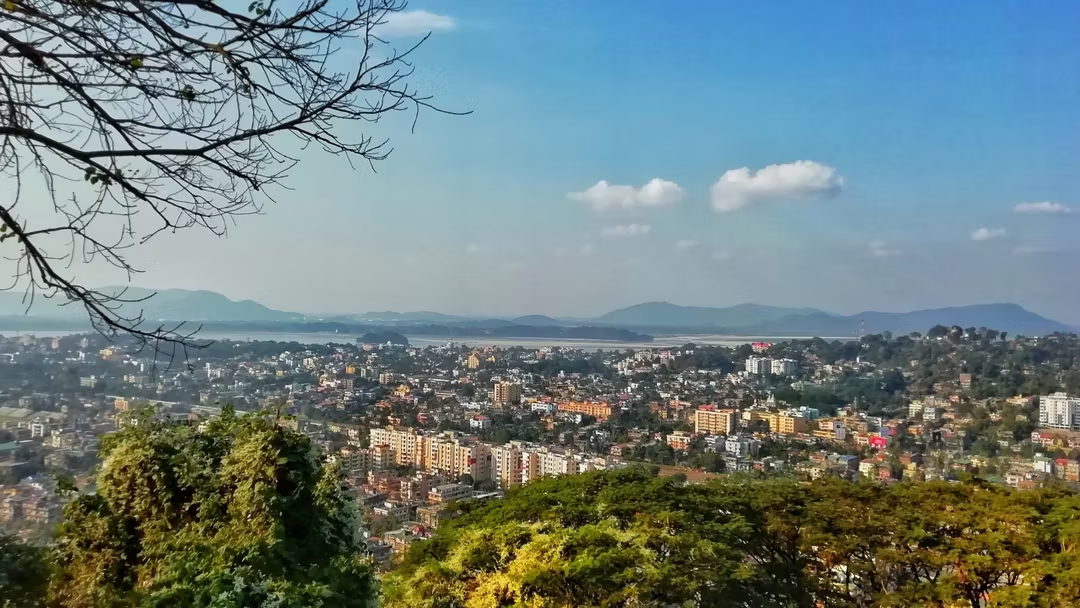
Guwahati Assam sits where the Nilachal Hills meet the Brahmaputra, and the city wears that geography like it was made for it. The river shapes everything here: the temples that rise above its banks, the ferries that cut across its width, and the unhurried pace of life along its ghats. Step away from the water and the city opens up into narrow lanes, markets stacked with silk, and street food that pulls you in by smell alone. Cross to the north bank and a quieter, greener Guwahati awaits. Within the city, there is much to keep you busy. The places to visit in Guwahati range from ancient temples with stories older than the stones they are built on, to markets where you leave with silk you will keep for years. The Bihu festival spills music and colour into every street, and the food is unlike anything else in the country. And as the largest city in the Northeast and the gateway to the seven sister states, Guwahati has always been more than just a stop along the way.
So, whether you are heading to Guwahati Assam for a few quiet days or weaving it into a longer Northeast adventure, this guide has everything you need. And when it comes to where to stay, Zostel Guwahati is worth checking out.
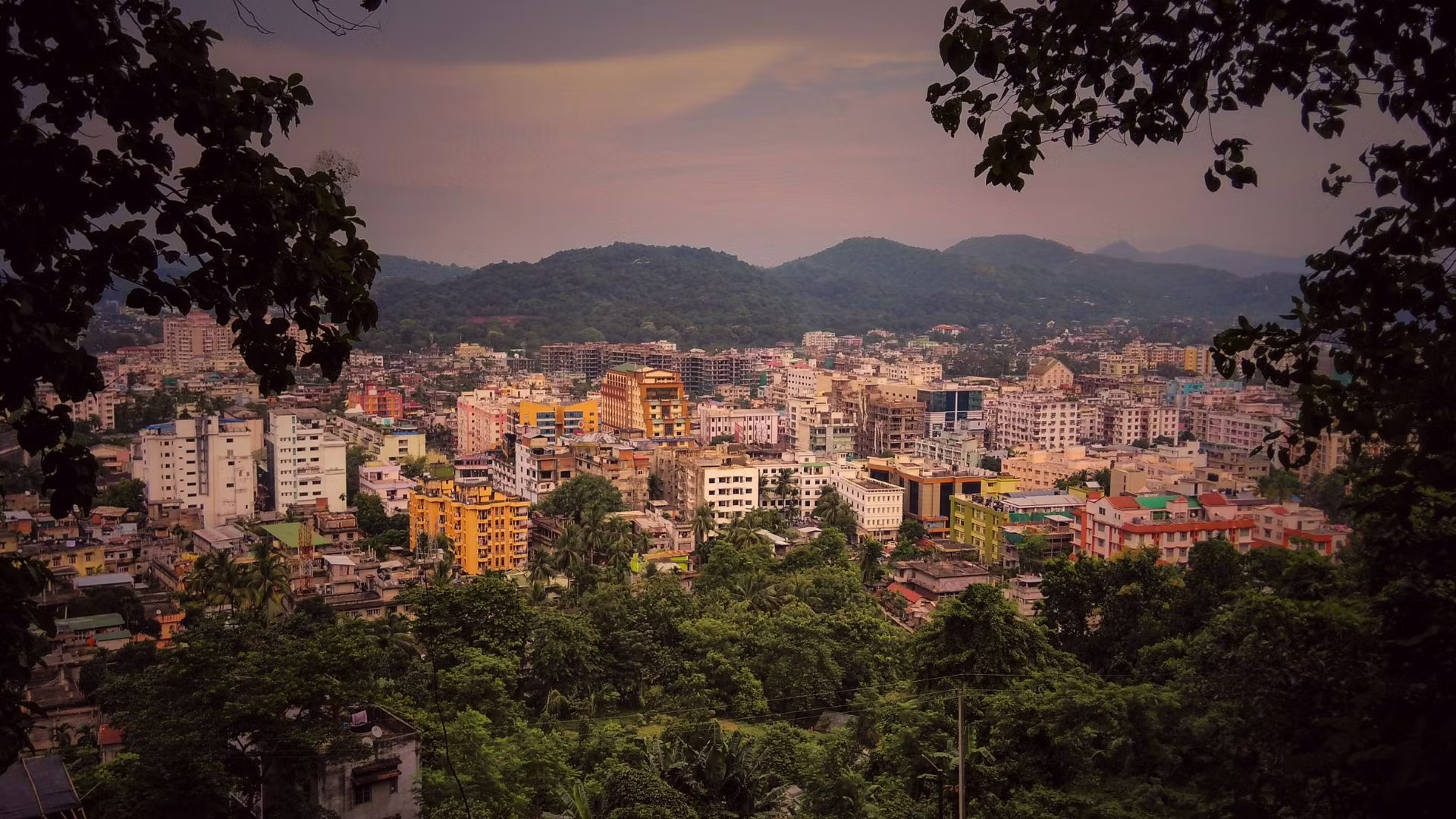
Guwahati City view
Guwahati Weather
Guwahati has a humid subtropical climate, which means warm, rain-soaked summers and mild, clear winters. The experience changes by season, so here is what to expect.
October to March: This is the best time to visit Guwahati Assam. Temperatures hover between 11°C and 25°C, skies are clear, and the Brahmaputra is calm enough for cruises and ferry crossings. This window also includes two Bihu festivals: Kongali Bihu in October (marking scarcity of crop) and Bhogali Bihu in January (marking harvest and feasting).
April to June: During this time, the weather is warm, with temperatures pushing to 35-40°C by afternoon. Mornings and evenings make for a good time for sightseeing. April is worth planning around for one reason: Rongali Bihu, the Assamese New Year.
July to September: During this time, heavy monsoon rainfall sweeps through the city. The Brahmaputra swells dramatically, and some roads near the riverbank can be affected. The hills are lush, and the crowds are thin. Though check for weather updates before planning your trip.
And anytime you plan to visit Guwahati, Zostel Guwahati makes for the perfect base to experience the city at its fullest.
Places to Visit in Guwahati
There is plenty to see when it comes to places to visit in Guwahati. Here are a few worth visiting:
Kamakhya Devi Temple Guwahati: One of India's 51 Shakti Peethas, this ancient temple sits atop Nilachal Hill with sweeping views of the Brahmaputra. The sanctum holds no idol, a natural rock cleft kept perpetually wet by an underground spring. And this place is also just 15 mins from Zostel Guwahati.
- Arrive early; the queues build fast.
- Note: During Ambubachi Mela (June 22-26, 2026), the temple closes for three days.
Navagraha Temple: Tucked on Chitrachal Hill, this temple holds nine individual shrines, each dedicated to one of the nine celestial bodies in Hindu cosmology. The hilltop is quiet, the views stretch wide, and the whole visit wraps up in under an hour.
Srimanta Sankardev Kalakshetra: A 24-acre cultural complex dedicated to the Vaishnavite saint-scholar who shaped Assamese art, music, and philosophy in the 15th century. Museums, manuscripts, an open-air theatre, and a heritage park all sit within the campus. If you want to understand Assam beyond the river and the temples, come here first.
Umananda Temple: Sitting on Peacock Island in the middle of the Brahmaputra, this is one of the major Guwahati tourist places. A 17th-century Shiva temple, this is only reachable by a short ferry from Kachari Ghat. The island is tiny, the temple is ancient, and the golden langurs that live here are rarely spotted anywhere else in the world.
Assam State Museum: This museum near Dighalipukhuri lake holds stone sculptures, medieval manuscripts, bronze works, and ethnographic collections from across the state. It is one of the more grounded and well-assembled museums in the Northeast.
Fancy Bazaar & Pan Bazaar: This bazaar is Guwahati at its most unfiltered: narrow lanes, silk piled in open storefronts, the smell of dry fish and frying snacks, brass utensils stacked to the ceiling. Pan Bazaar sits right next door and is equally well-stocked for silk and ready-made mekhela chadors.
Things to Do in Guwahati
The Brahmaputra is not a backdrop in Guwahati. It is the reason the city exists, and the best things to do in Guwahati are built around the river.
Take a Sunset Cruise: Sunset and dinner cruises run daily on the Brahmaputra, and the views of the city and surrounding hills from the water are worth every minute.
- Alfresco Grand is the most popular operator. Book ahead, especially on weekends and during peak season.
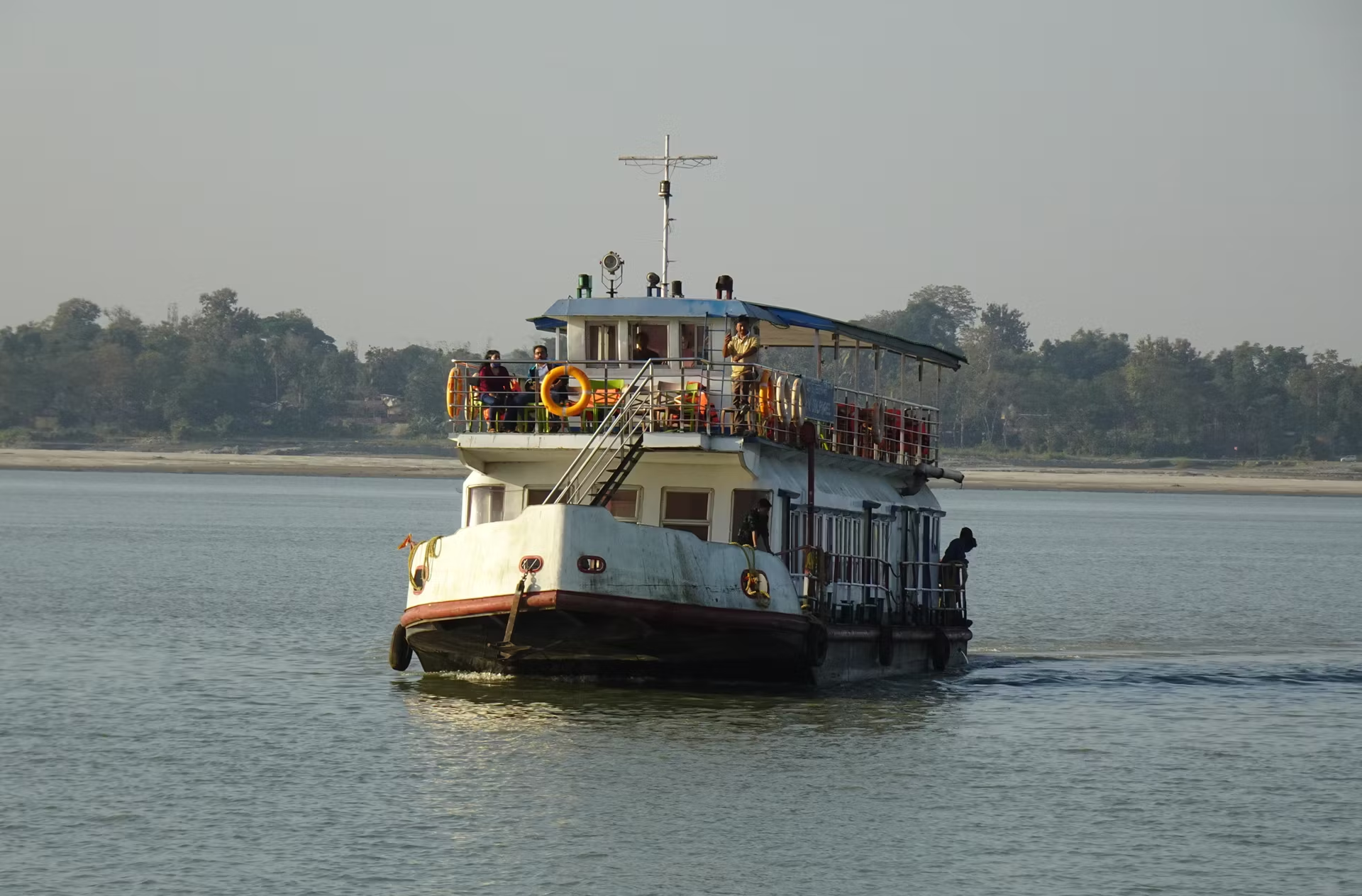
Brahmaputra River cruise. Photo by Bishnu Sarangi from Pixabay.
Ferry to Peacock Island: From Kachari Ghat, public ferries run to Umananda Island throughout the day. The crossing takes only a few minutes, but the Brahmaputra has a way of making even short distances feel significant. On the island, a 17th-century Shiva temple waits, along with the golden langurs, one of the rarest primates in India.
Ride the Ropeway: A 1.8 km cable car crosses the Brahmaputra between Kachari Ghat on the south bank and North Guwahati on the other side, offering aerial views of the river and the city spread below. Also, the north bank is an entirely different city. Quieter, greener, and largely off the tourist trail. This ropeway easily makes for one of the best things to do in Guwahati.
Spot the River Dolphins: The Brahmaputra is home to the Gangetic river dolphin, locally known as Sihu, and Guwahati's official city animal. Early morning boat rides give you the best chance of a sighting. No guarantees, but the river at that hour is reason enough to be out on it.
Most of these experiences unfold along or around the Brahmaputra, and for a base that keeps you close to all of it, Zostel Guwahati is the one to book.
Places to visit near Guwahati
Road Trips from Guwahati
Kaziranga National Park (178 km | 3.5 hrs): One of India's most significant wildlife destinations, Kaziranga is a UNESCO World Heritage Site and home to two-thirds of the world's remaining greater one-horned rhinos. Stretching across the floodplains of the Brahmaputra, the park also shelters tigers and elephants across some of the most dramatic landscapes in the Northeast.
- Note: The park opens from November to April only.
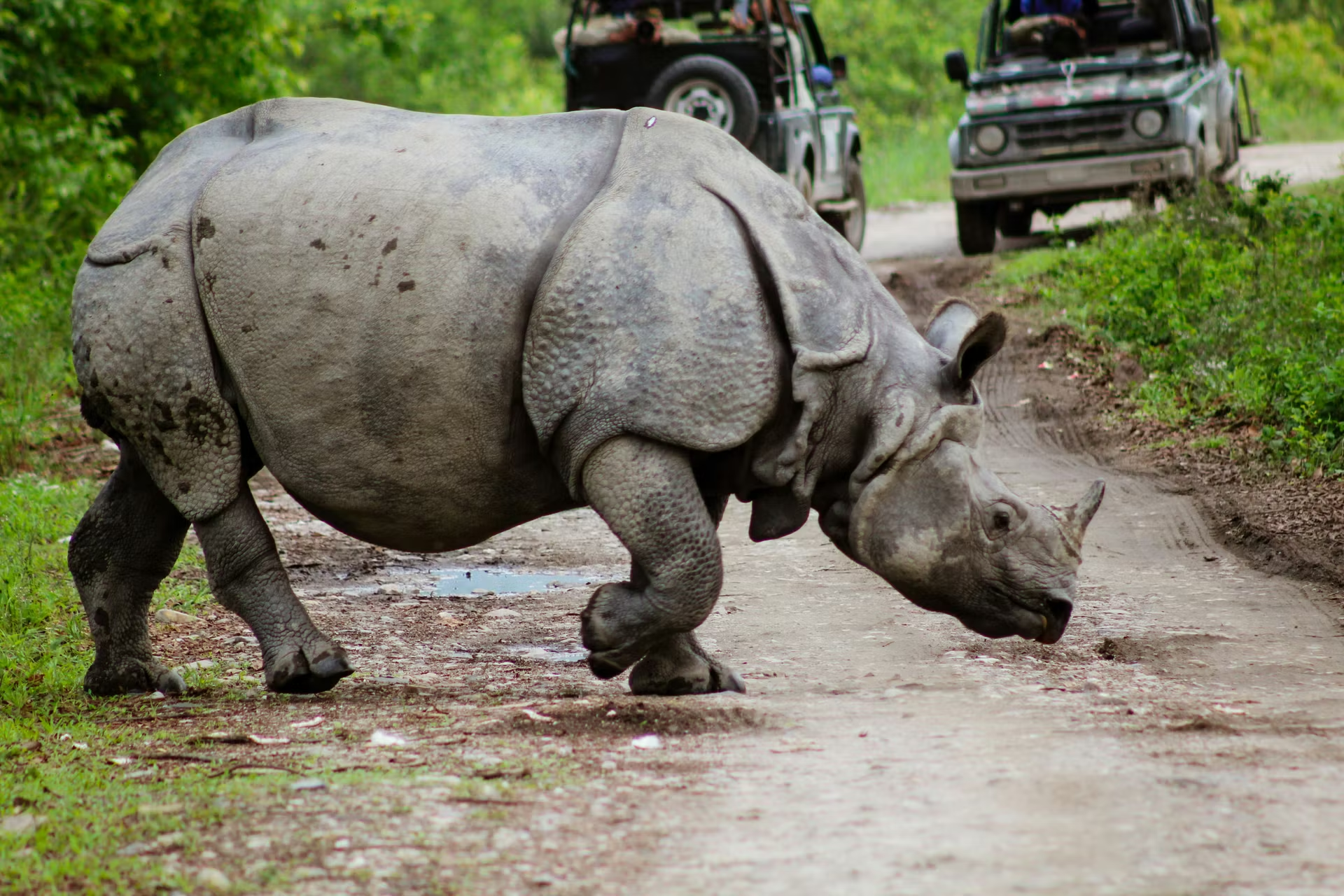
One-horned Rhino at Kaziranga National Park.
Deepor Beel (22 km | 40 mins): Assam's only Ramsar-designated wetland, Deepor Beel is a serious birdwatcher's stop. Over 200 species have been recorded here, including the rare Greater Adjutant Stork. Visit between October and March when migratory birds arrive from Central Asia.
Sualkuchi (29 km | 1 hr): Assam's silk weaving village and the best place to buy the real thing. Entire families work at looms here, producing Muga, Paat, and Eri silk that finds its way across the world. Buying directly from weavers gives you the most authentic pieces at the best prices.
Madan Kamdev (31 km | 1 hr): Often called the Khajuraho of the East, this temple complex, dating to the 9th-12th centuries, sits scattered across a forested hillside. The stone carvings are extraordinary, the setting is quiet and overgrown, and the whole place feels like something you stumbled upon rather than visited.
Hajo (30 km | 1 hr): This is one of the most remarkable places to visit near Guwahati. Hajo is a rare pilgrimage site for three religions: Hindus come for the Hayagriva Madhava Temple, Muslims revere the Poa Mecca mosque, believed to carry a quarter of the spiritual weight of Mecca, and Buddhists visit the Kedar Temple, said to house a relic of the Buddha. Few places in India carry this kind of layered spiritual identity.
Pobitora Wildlife Sanctuary (50 km | 2 hrs): A compact sanctuary with one of the highest densities of one-horned rhinos in the world. It is smaller and less visited than most wildlife parks, which means closer sightings and fewer crowds. Jeep safaris run in the morning and late afternoon.
Chandubi Lake (64 km | 1.5 hrs): A natural lake formed by the devastating earthquake of 1897, sitting at the foot of the Garo Hills on the Assam-Meghalaya border. Forests, tea gardens, and small villages surround it on all sides.
Shillong (103 km | 3 hrs): If you are visiting Guwahati, Shillong from Guwahati makes for a natural extension. As Meghalaya's capital, this is a different world altogether: pine-lined roads, colonial-era architecture, and a café and music culture that has earned it the nickname Rock Capital of India. Cherrapunji and Dawki are both within easy reach from here.
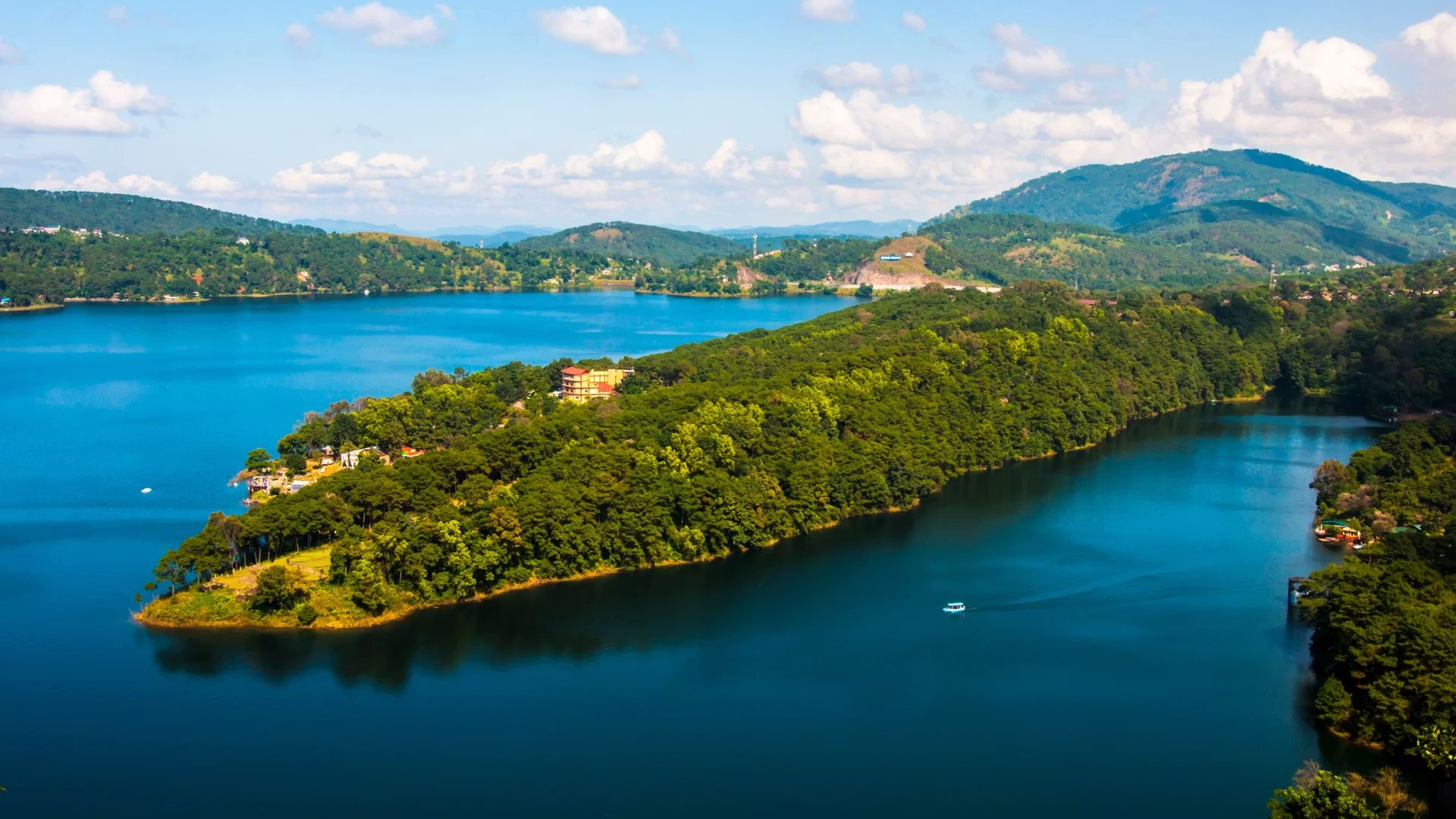
The Umiam Lake in Shillong. Picture by Debangshu Chakraborty
Food in Guwahati
Assamese cuisine does not rely on heavy spices. The flavours are clean, pungent in the best ways, and built on fermented, smoked, and sour ingredients.
What to Eat
- Masor Tenga: A light, sour fish curry made with tomatoes or elephant apple.
- Khaar: A slow-cooked preparation made using alkaline water extracted from burnt banana skin. Earthy, unusual, and unlike anything else.
- Duck Roast: Slow-cooked with spices, this is a weekend staple across Guwahati households.
- Bamboo Shoot Pork: Rich, smoky, and deeply flavoured.
- Tekeli Pitha: A steamed rice cake, soft and subtly sweet.
- Doi Sira: Beaten rice soaked in yoghurt with a little jaggery. The simplest and most comforting breakfast the city has.
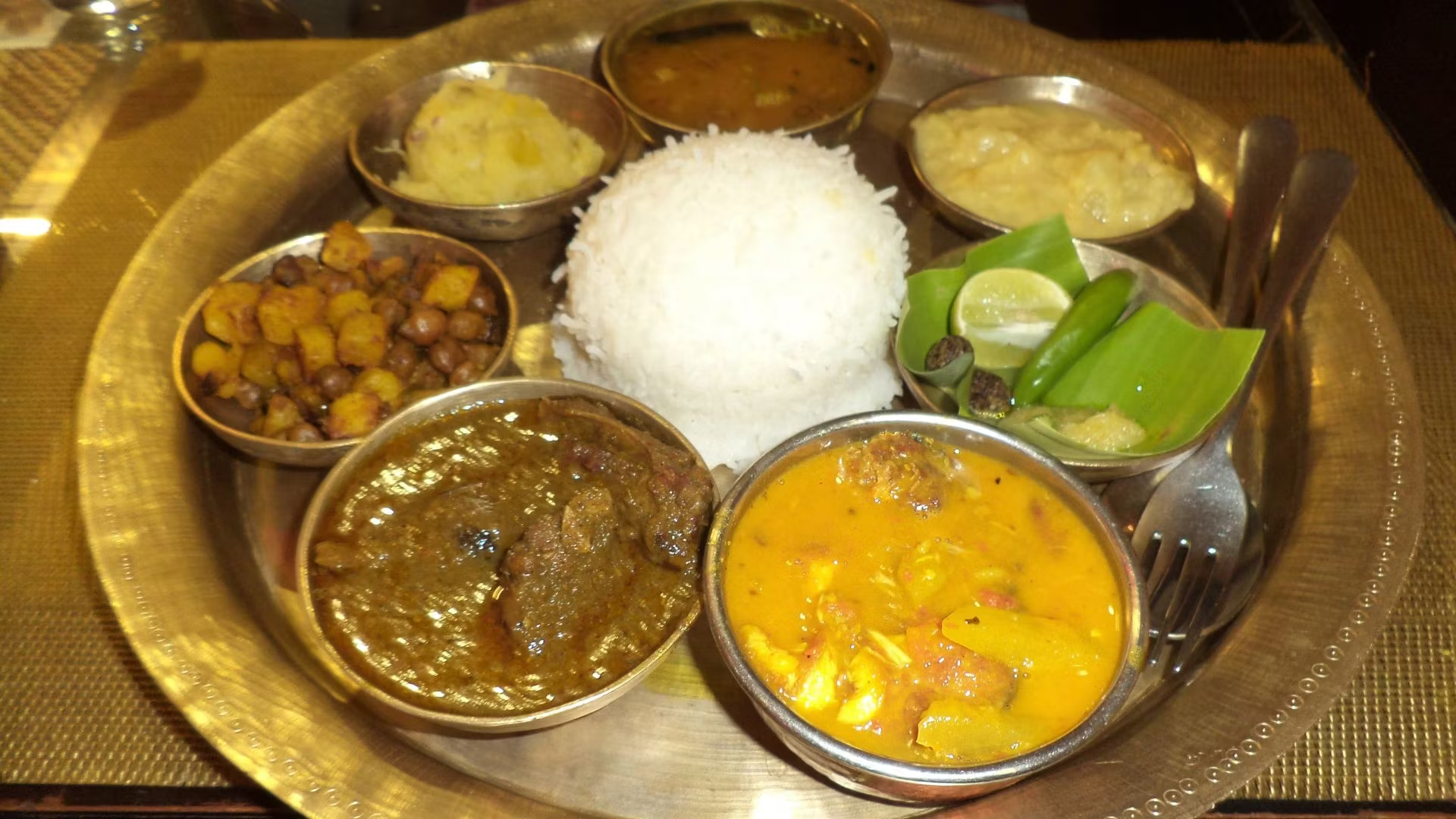
Traditional Assamese thali
Where to Eat
- Paradise Restaurant: The long-standing address for Assamese thali and Masor Tenga.
- Heritage Khorikaa: Go for the duck masala and bamboo shoot chicken.
- Gam's Delicacy: The pork dry fry is the reason to come.
- Mising Kitchen: Pork and fish preparations from the Mising tribal community.
- Naga Kitchen: Smoked pork and bamboo shoot preparations from Nagaland. Intense and earthy.
- Michinga: Multi-tribal Northeast Indian thalis. Order the Naga pork thali.
- GTAC Tea Lounge: Rare Assam teas, including purple, white, and oolong varieties that rarely make it outside the state.
The Silks of Guwahati Assam
Assam silk is not famous for no reason. The state produces three distinct types of wild silk, all harvested within the state, and each one is unlike anything made anywhere else.
Muga: The golden silk, produced nowhere else on earth. The colour comes naturally from the cocoon itself; no dyes are used, and the sheen deepens with every wash. This makes a Muga mekhela chador more beautiful the older it gets. GI-tagged since 2007, Muga is traditionally passed down as a family heirloom or gifted to brides.
Paat: Crisp, ivory-white, and brilliantly lustrous. Paat mekhela chadors are a staple at weddings and ceremonies across Assam, and the demand for pure Paat remains consistently high.
Eri: Soft, matte, and warm, Eri is woven into mekhela chadors and shawls alike. The moth is allowed to emerge from the cocoon before the silk is harvested, which is why it is widely known as peace silk or Ahimsa silk, making it one of the more consciously produced textiles you will find anywhere in the world.
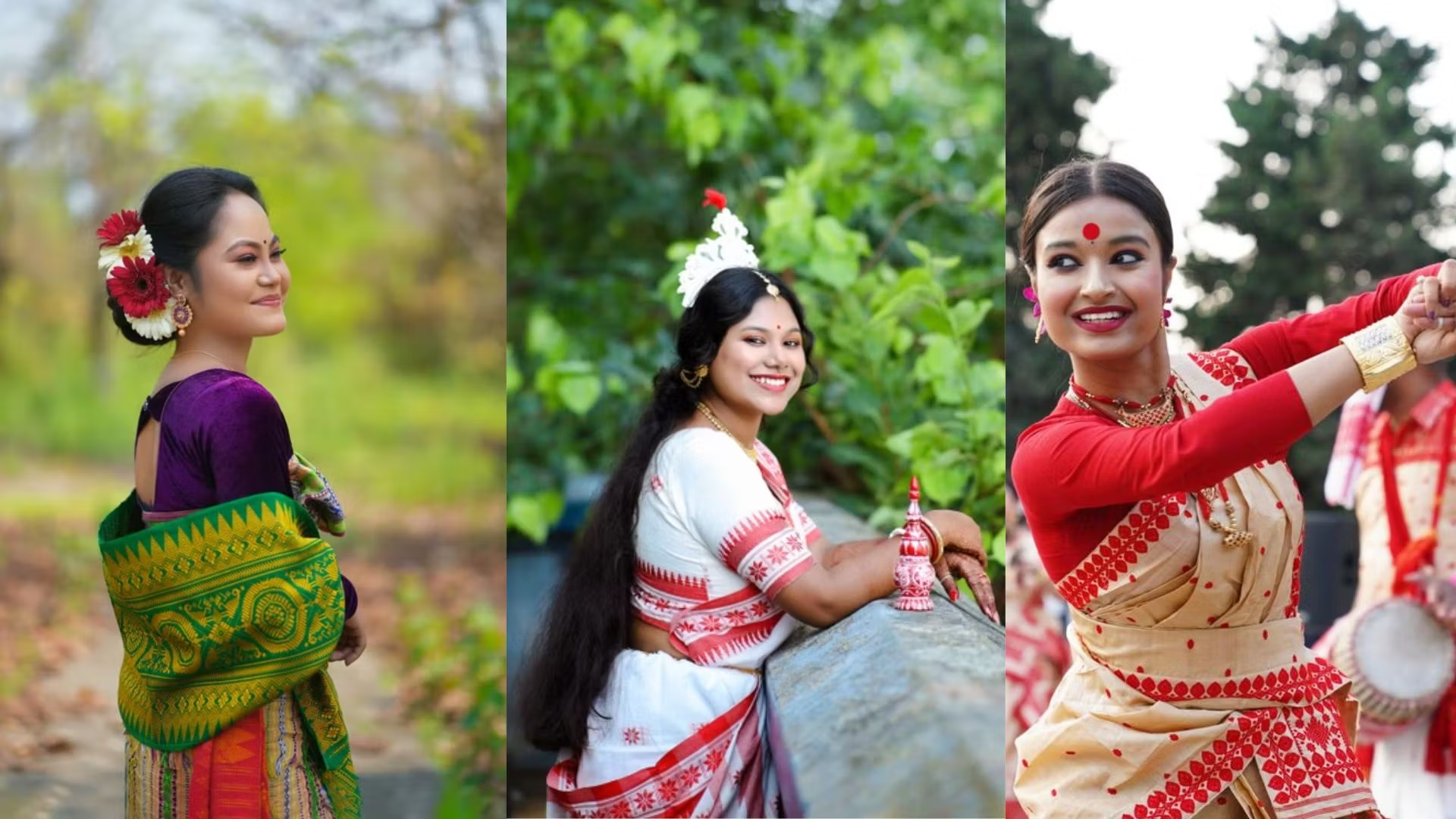
Women draped in vibrant shades of Assam silk sarees.
Festivals in Guwahati Assam
Bihu Festival
Bihu is Assam's most beloved festival, celebrated three times a year, each tied to a different turn in the agricultural calendar and carrying its own distinct mood.
Rongali Bihu (April): The Assamese New Year and the most celebratory of the three. It marks the start of sowing season, and the whole state meets it with music, dance, and a joy that is hard not to get swept up in. The Bihu dance, recognised as a UNESCO Intangible Cultural Heritage, is performed in open fields and on public stages throughout the month.
Women wear red-and-gold silk mekhela chadors. And also wear the Kopou Phool, the foxtail orchid that blooms only in April, in their hair. While men wear dhoti and gamosa.
Kongali Bihu (October): Come October, the granaries are lean, and the crops are still growing. The tone shifts to something quieter and more contemplative. Families light earthen lamps around their homes and paddy fields and pray for the harvest to come. A festival of hope and restraint.
Bhogali Bihu (January): Come January, the harvest is done, and the granaries are full. Communities gather around massive bonfires called Meji, feasting on pitha and laru through the night. The bonfire is lit at dawn.
If your trip overlaps with any of the three Bihus, count yourself fortunate. There is no better window into Assamese culture than these celebrations.
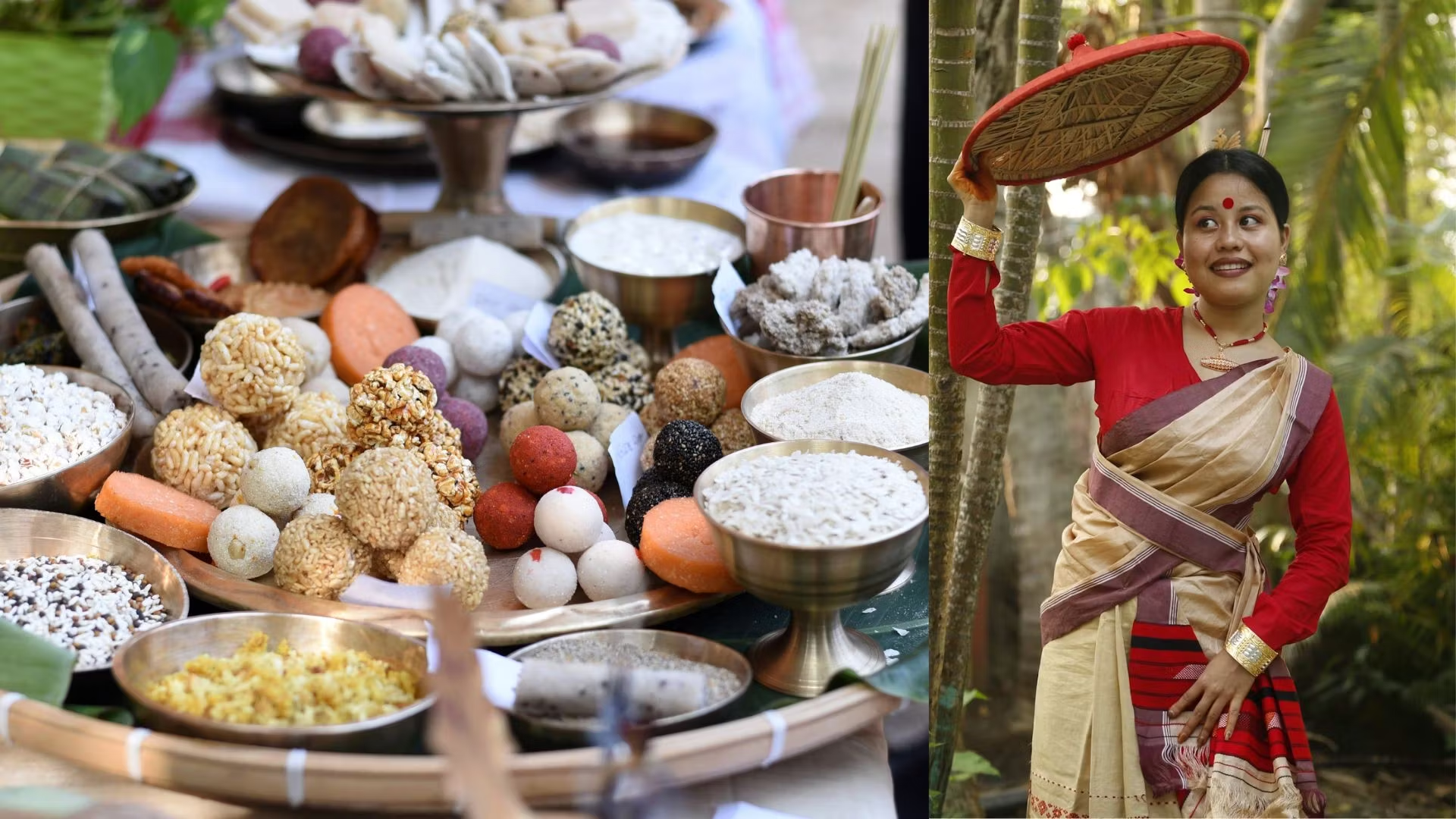
Bhogali Bihu platter and a lady adorned in Mekhela Chador.
Ambubachi Mela
Held annually at Kamakhya Devi Temple Guwahati, just 15 mins from Zostel Guwahati , Ambubachi Mela is one of the most significant spiritual gatherings in the country. The festival marks the annual menstruation of Goddess Kamakhya, a period considered sacred and deeply powerful in the Shakta tradition. During this time, the temple closes for three days, and when it reopens, hundreds of thousands of pilgrims, saints, and sadhus from across the country converge on Nilachal Hill. The atmosphere is unlike anything else in Guwahati.
Ambubachi Mela 2026 dates: June 22 and 26.
About Zostel Guwahati
If you are looking for hotels in Guwahati that put you close to everything, Zostel Guwahati is the place to be.
Sitting just 15 minutes from the Kamakhya Devi Temple Guwahati in the heart of the city, this hostel has a rooftop café and common room where meals come with views and conversations happen easily. There is a community kitchen for when you want to cook, and a dedicated workstation for those working through their travels. And when you want to chill & unwind, there are dorms for those who want to meet new people, and private rooms for those who want their own pace.
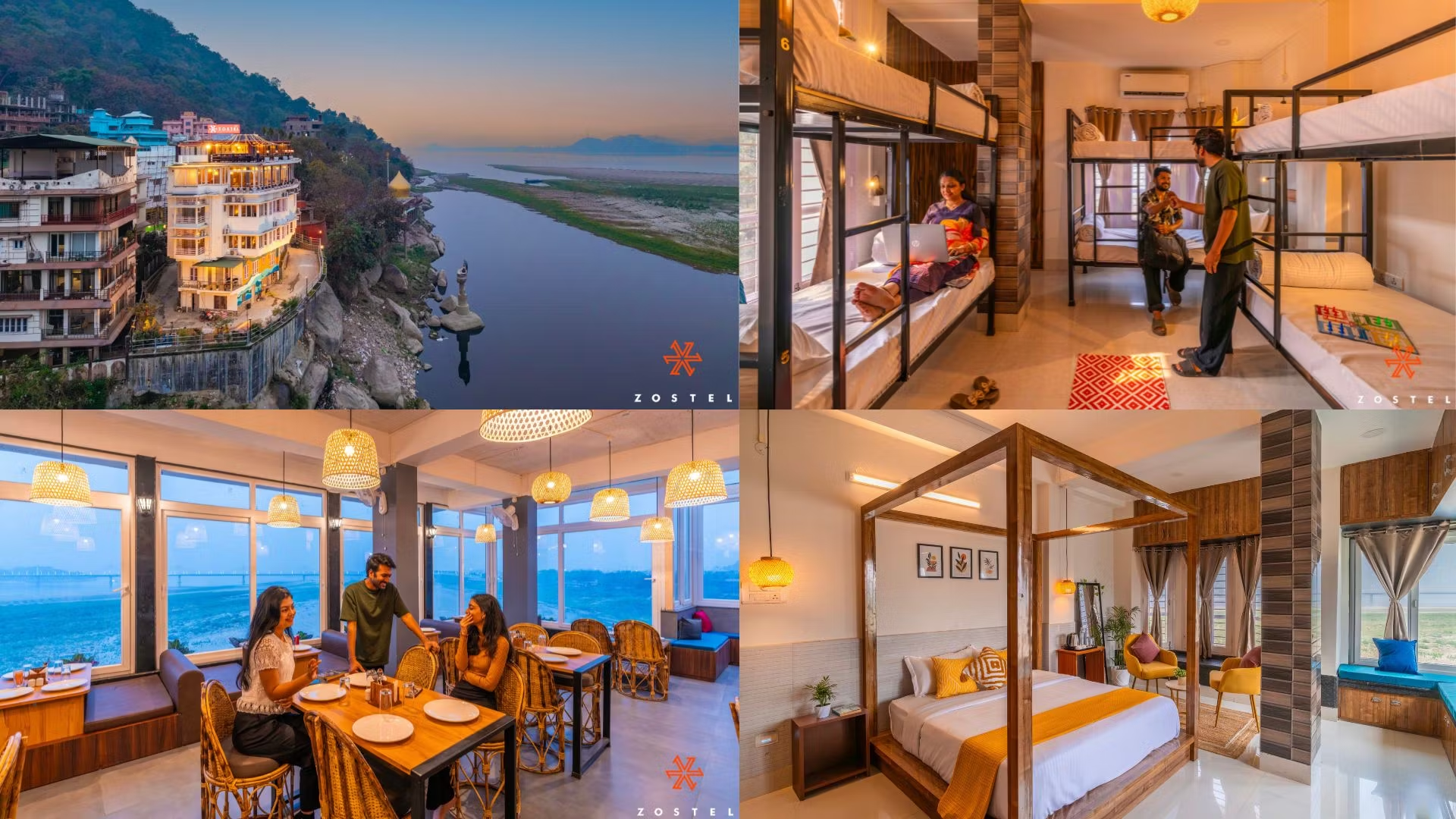
Scenic view, mixed dorm room, in-house cafe, and private room at Zostel Guwahati.
Well, that is your complete guide to Guwahati. We have covered everything: the temples, the river, the food, the silk, and the road trips beyond. Pair it all with Zostel Guwahati as your base, and you are set.
FAQs
What are the best places to visit in Guwahati?
The best places to visit in Guwahati include: Kamakhya Devi Temple Guwahati, Umananda Island, Navagraha Temple, Srimanta Sankardev Kalakshetra, and Fancy Bazaar. For nature and wildlife, Deepor Beel and Pobitora Wildlife Sanctuary are both within easy reach.
What are the best hotels in Guwahati?
There are many hotels in Guwahati to explore. But, if you are looking for a well-located, community-driven stay, check out Zostel Guwahati, just 15 minutes from the Kamakhya Devi Temple Guwahati, with a rooftop café and both dorms and private rooms available.
What is the Guwahati weather like throughout the year?
Guwahati weather varies by season. Winters from October to March are the most pleasant, with temperatures between 11°C and 25°C. Summers are warm, and monsoons from July to September bring heavy rainfall.
What are the best things to do in Guwahati?
The best things to do in Guwahati include: taking a sunset cruise on the Brahmaputra, riding the ropeway across the river, and exploring Fancy Bazaar.
What is the significance of the Kamakhya Devi Temple Guwahati?
Kamakhya Devi Temple Guwahati is one of India's 51 Shakti Peethas and among the most revered shrines in the country. Perched atop Nilachal Hill, the sanctum holds no idol but a natural rock cleft kept wet by an underground spring.
What is Ambubachi Mela, and when does it take place?
Ambubachi Mela is an annual festival held at Kamakhya Devi Temple Guwahati, marking the menstruation of Goddess Kamakhya. It draws hundreds of thousands of pilgrims, saints, and sadhus to Nilachal Hill every year. In 2026, the mela falls between June 22 and 26.